

THE IRURI JOURNAL
ENGINEERING & DESIGN
Why Everything Happens Under One Roof
We didn't build a factory to make products. We built it to protect ideas.
Most manufacturing failures don't look like catastrophes. They look like 0.3 millimeters. A drawing changes. A tolerance shifts. A finish gets substituted. By the time the final product arrives, nobody knows exactly where the compromise happened.

Chapter 1: The 0.3 mm Drift
When a design blueprint leaves this building to a third-party contractor, control over the variable leaves with it. The largest issue with outsourced supply chains isn't a single mistake. It is the silent, cumulative friction that happens across separate factory gates. By the time the hardware arrives, nobody can point to the exact hour the specifications drifted.

Fig 02. Blueprint alignment — Verifying physical clearline vectors directly ahead of custom tooling assembly.
Chapter 2: The Logic of the Roof
When steel fabrication, CNC machining, and surface coating are managed by separate entities, accountability vanishes. If a quick-release latch rattles on a technical trail step, the blame shuffles between different doors. Every process moved under one roof. Not because operating a factory is easy. Because it left fewer places for mistakes to hide.

Fig 03. Institutional core infrastructure — Entire processing sequences kept closed inside the main compound floor.
INTERMISSION: Meet FOCUS ON
The Manufacturing Company Behind Every IRURI Product
Every IRURI product is designed by our product team. Every IRURI product is manufactured by FOCUS ON Industrial, our wholly owned manufacturing company based in Chengdu, China.
FOCUS ON is not a supplier. It is not a contract factory. It is not a partner. The relationship is absolute: IRURI asks questions. FOCUS ON answers them.
IRURI wondered why overland roof racks always whistled at highway speeds. FOCUS ON spent three weeks on a milling machine proving they don't have to. Today, every machining operation, every structural component, every surface coat, and every quality audit happens inside the same building.
Chapter 3: The Log of Failures
Ideas move faster when the designers and the machines share the same floor. But they rarely move smoothly. Consider the physical record of trial steps adjustments:
• Prototype 4: Cut from a solid 6061-T6 alloy block. Deflected under a 150kg hoisting load test. Rejected.
• Prototype 8: Looked perfect. Until someone tightened the last subframe bolt. The bracket sat 0.35 mm too close to the rocker panel. Still vibrated at 45Hz over simulated washboard roads. Rejected.
• Prototype 11: Tapered receiver slots compressed under intense latch tension. Completely silent. Approved.
• Prototype 8: Looked perfect. Until someone tightened the last subframe bolt. The bracket sat 0.35 mm too close to the rocker panel. Still vibrated at 45Hz over simulated washboard roads. Rejected.
• Prototype 11: Tapered receiver slots compressed under intense latch tension. Completely silent. Approved.
The design team works wall-to-wall with the machinery. A physical realization can be checked, broken, and revised in hours, not weeks.

Fig 04. Fiber laser positioning — Isolating sheet margins prior to pressure layout execution.

Fig 05. Symmetrical robotic welding — Eradicating manual thermal deformation variances.
Chapter 4: The Repeatable Decision
Machines don't make better products. People make better decisions. A high-end vertical mill or an automated fiber laser cutter only makes those critical structural decisions perfectly repeatable across ten thousand field shipments. By keeping machining, structural iron fabrication, proprietary coating, and final quality inspection entirely internal, the initial intent behind the product stays intact.

Fig 06. Live mill path metrics — Tracking real-time micro-drifts at the station.

Fig 07. The operational anchor — Process boundaries managed directly from the floor center.
Chapter 5: Obvious Quality
Most customers will never visit the production facility in Chengdu. They don't need to. What they notice is entirely different. Panels fit cleanly to the frame rails without forced adjustments. Removable latches engage tightly and stay silent after months of corrugated trail vibration. Anodized coatings withstand a winter of mud, trail clay, and road salt.
Those things don't happen by accident. They happen because every single step stays under one roof. That's what "Under One Roof" really means. Not ownership. Responsibility.

Fig 08. Sequential milling cadence — Constant tool deployment managing tight spec arrays.

Fig 09. Collaborative floor tracking — Direct localized validation loops over active toolbeds.

Fig 10. Integrated apparatus housings — Heavy armor execution lines managed under identical closed protocols.
Frequently Asked Questions
Is IRURI a trading house or a direct manufacturer?
We are a direct, vertically integrated manufacturing enterprise. IRURI acts as the design and brand engine, while our wholly owned parent industrial company, FOCUS ON Ltd, handles all structural engineering, precision CNC machining, and sheet metal fabrication directly inside our owned plant in Chengdu, China.
We are a direct, vertically integrated manufacturing enterprise. IRURI acts as the design and brand engine, while our wholly owned parent industrial company, FOCUS ON Ltd, handles all structural engineering, precision CNC machining, and sheet metal fabrication directly inside our owned plant in Chengdu, China.
Why don't you outsource production like many aftermarket brands?
Because outsourcing creates additional variables between engineering and the finished product. Keeping manufacturing completely in-house allows our engineering team to validate, revise, and produce from the same integrated system without losing control over tight tolerances or material standards.
Because outsourcing creates additional variables between engineering and the finished product. Keeping manufacturing completely in-house allows our engineering team to validate, revise, and produce from the same integrated system without losing control over tight tolerances or material standards.
Why does IRURI keep all manufacturing processes under one roof?
To eliminate third-party compromise and variable tolerance stack-ups. Keeping advanced CNC milling, custom iron sheet fabrication, and surface processing under a single roof ensures that engineering blueprints match the final physical hardware with zero communication delays or drifted specifications.
To eliminate third-party compromise and variable tolerance stack-ups. Keeping advanced CNC milling, custom iron sheet fabrication, and surface processing under a single roof ensures that engineering blueprints match the final physical hardware with zero communication delays or drifted specifications.
How does the factory ensure the longevity of the surface treatment?
We operate two fully automated, closed-loop powder coating and anodizing lines. Our in-house chemical engineering teams developed a proprietary finish balance that seals the aluminum-magnesium alloy core, eliminating the typical chalking and chemical road salt corrosion common to market accessories over a 5-to-10-year field lifecycle.
We operate two fully automated, closed-loop powder coating and anodizing lines. Our in-house chemical engineering teams developed a proprietary finish balance that seals the aluminum-magnesium alloy core, eliminating the typical chalking and chemical road salt corrosion common to market accessories over a 5-to-10-year field lifecycle.
Does the facility support tier-1 automotive manufacturing, OEM, or ODM requests?
Yes. Through FOCUS ON Industrial, we hold the technical infrastructure required for tier-1 supply chains. We manage full-scale ODM prototyping, adaptive private-label vehicle armor manufacturing, and structural subframe hardware provisioning for verified global trade accounts.
Yes. Through FOCUS ON Industrial, we hold the technical infrastructure required for tier-1 supply chains. We manage full-scale ODM prototyping, adaptive private-label vehicle armor manufacturing, and structural subframe hardware provisioning for verified global trade accounts.
| Engineering Anchor | System Specification Details |
|---|---|
| Vehicle Infrastructure | Direct Adaptive Core Platform Alignments for Global Off-Road Accessories Arrays |
| Architectural Integration | 100% In-House Structural Engineering / Closed Manufacturing System Routing |
| Material Properties | 6061-T6 Premium Monoblock Alloys / Heavy-Gauge Formed Structural Steel Blocks |
| Surface Protection | Proprietary Dual Anodized Matrix & Weather-Resistant Chemical Powder Coats |
| Quality Verification | Continuous Multi-Axis Inspection Calibration / High-Frequency Fatigue Vibration Staging |

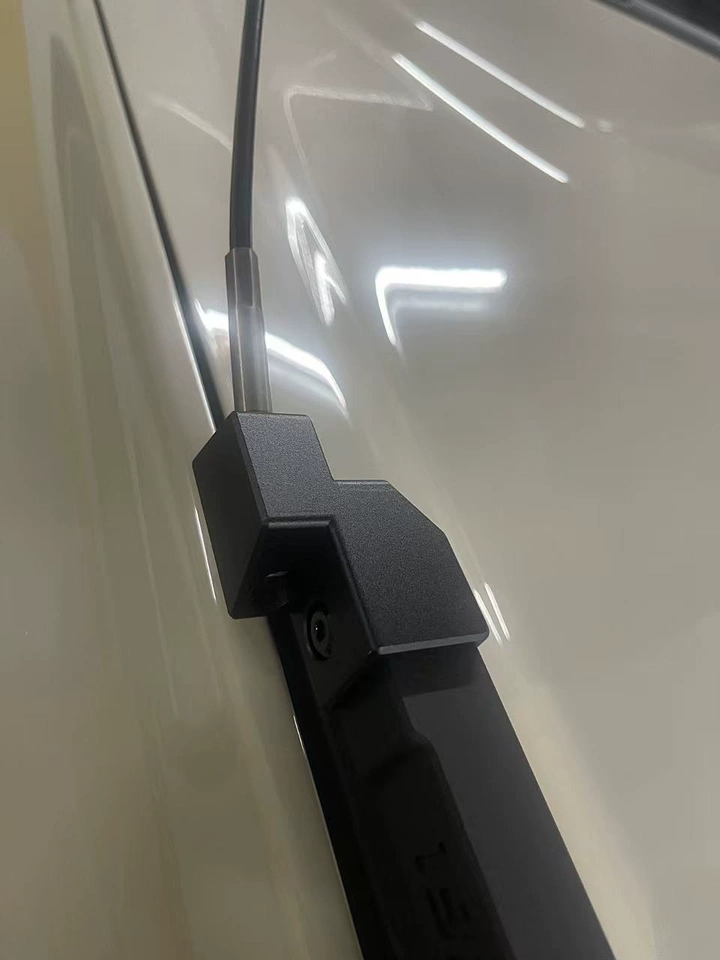
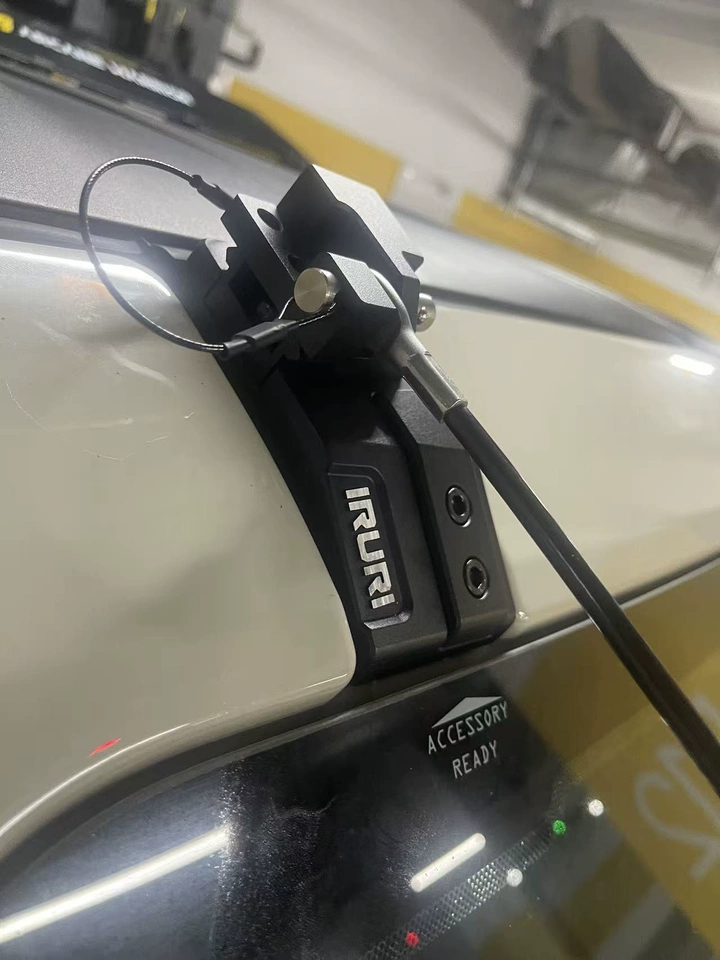
Fig 11. Anodized component control — Uniform micro surfaces completely clear of raw alloy streaks.

Fig 12. Matte finish micro detail — Proprietary compound layer providing advanced lifecycle seal.

Every adjustment changes the dynamic threshold of the machine. Most operations don't care about the delta. We do.
We didn't build a factory to expand production. We built it to stop compromise.
Explore the Precision Manufactured Armor Series →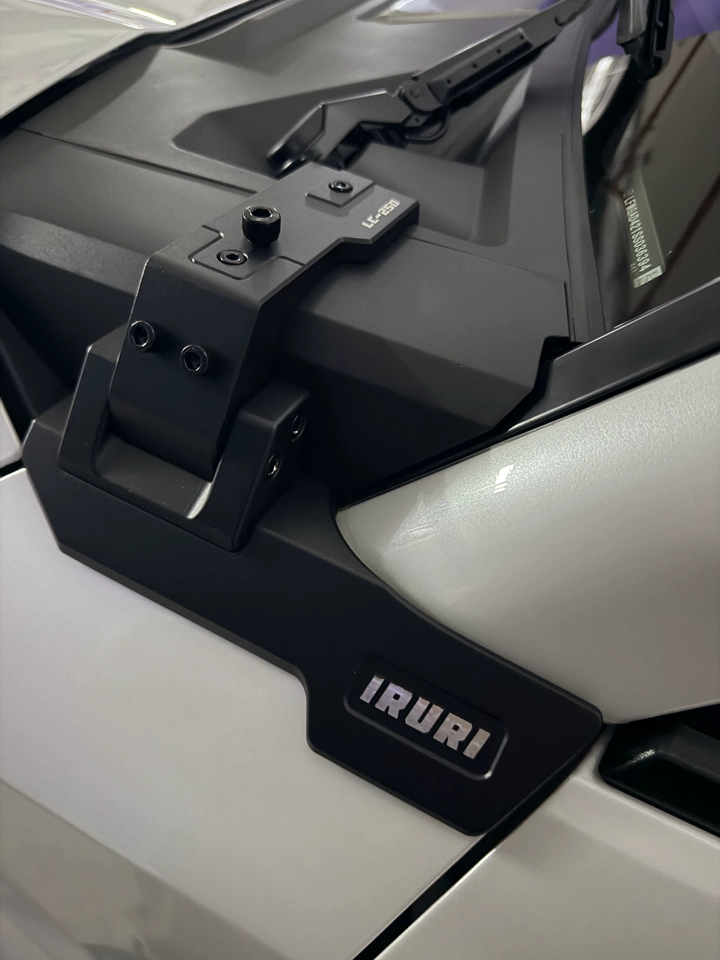
0 comments