

IRURI JOURNAL
ENGINEERING & DESIGN
The Solid Anchor
Balancing Load Paths and Aerodynamic Profiles on the Land Cruiser LC250.
This article is for Land Cruiser owners who need consistent access to their roof cargo but refuse to sacrifice the clean, flush side lines of their build.
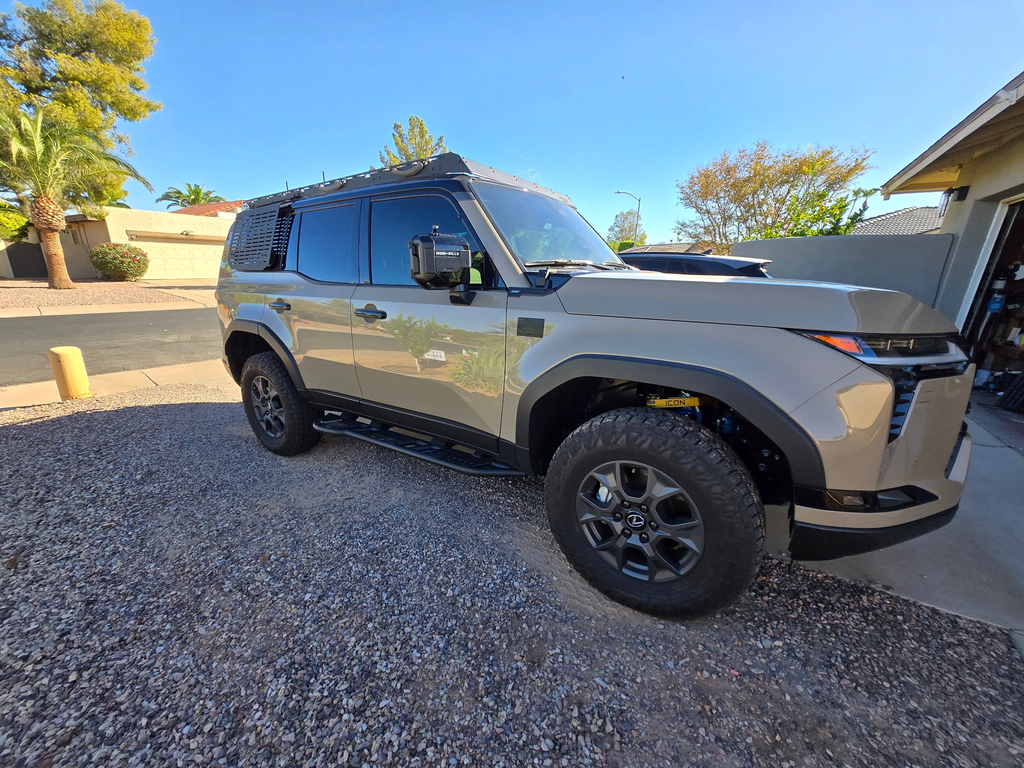
A Toyota Land Cruiser LC250 D-pillar grab handle is a bolt-on roof access aid mounted to the rear pillar, designed to provide stable footing and secure hand support when loading roof cargo without permanently modifying the vehicle. A D-pillar grab handle provides a secure handhold and stable roof access for the Toyota Land Cruiser LC250 while preserving the vehicle's factory body lines.
Quick Answers
Will exterior D-pillar grab handles cause sheet metal flexing on the LC250?
In most cases, no. A properly engineered Land Cruiser roof step is designed to transfer vertical loads directly through the internal structural reinforcements of the vehicle frame rather than pulling outward on the thin outer body skin. This optimized mechanical alignment helps distribute weight evenly, minimizing body flex and preventing sheet metal distortion during hard use.
In most cases, no. A properly engineered Land Cruiser roof step is designed to transfer vertical loads directly through the internal structural reinforcements of the vehicle frame rather than pulling outward on the thin outer body skin. This optimized mechanical alignment helps distribute weight evenly, minimizing body flex and preventing sheet metal distortion during hard use.
Do exterior handles create high-speed wind whistle on the highway?
Low-profile designs minimize this risk entirely. By keeping the framework thickness tight to the factory panels (only 42mm), the assembly hugs the D-pillar architecture and sits cleanly within the vehicle's natural trailing aerodynamic wake. This targeted placement helps minimize high-speed wind noise or low-frequency whistling at 75mph+.
Low-profile designs minimize this risk entirely. By keeping the framework thickness tight to the factory panels (only 42mm), the assembly hugs the D-pillar architecture and sits cleanly within the vehicle's natural trailing aerodynamic wake. This targeted placement helps minimize high-speed wind noise or low-frequency whistling at 75mph+.
How much weight can an LC250 rear grab handle safely support?
High-quality variants machined from structural magnesium-aluminum blocks are engineered to support full adult weight capacities. When bolted directly into the vehicle's reinforced frame channels, the structural integrity of the mounting points allows for a heavy-duty rated weight capacity that handles overlanders carrying heavy roof cargo bags.
High-quality variants machined from structural magnesium-aluminum blocks are engineered to support full adult weight capacities. When bolted directly into the vehicle's reinforced frame channels, the structural integrity of the mounting points allows for a heavy-duty rated weight capacity that handles overlanders carrying heavy roof cargo bags.

Why Roof Access Solutions Keep Changing
Some design questions don't begin in a workshop. They begin while standing beside the vehicle. Across dozens of trail days, one observation became clear. The setup never stays finished. Every trip leaves its mark. Every season brings a different loadout. The journey changes, the gear changes, and the physical demands on the vehicle shift with the person driving it. On one trip, after loading recovery boards onto the rack, the vertical stretch highlights the missing link in land cruiser roof rack access.
It is an elevated platform with zero native options to reach the upper footprint safely. Owners naturally develop temporary habits to manage roof cargo access. They balance on narrow side rock sliders, jump onto slick mud-terrain tire treads, or pull themselves up by reaching for the roof edge or grabbing whatever is nearby. It sounds obvious now, but it wasn't at the time. These movements introduce immediate trail risks. Muddy boots slip off wet lugs, and placing full human weight on factory plastics puts stress on components never designed to support heavy expedition loads. Our roof access was still surprisingly improvised.


Why Side Profiles Get Crowded
Some observations only appear after enough miles. When owners look for a stable land cruiser roof step, they face a definitive market compromise. Most aftermarket climbing accessories or heavy step setups fall into two specific traps: thin cosmetic fabric loops that weather under UV exposure, or massive permanent steel rear ladders that wrap around the tailgate pillars. One looks temporary and rattles continuously on washboard dirt roads. The other looks overbuilt, blocks critical rear visibility, and adds permanent wind drag on long highway transits. After enough weekends, the pattern became hard to ignore. The vehicle wasn't short on space. It was short on purpose-built places.
Traditional Climbing Upgrades Disadvantages:
- Fabric strap style loops fade, stretch under tension, and lack lateral stability.
- Heavy steel wrap-around iron ladders restrict rear door operation and access lines.
- Temporary platforms scratch factory paint and risk shifting under heavy trail loads.
- Mismatched universal brackets create high-speed whistling wind noise at 75mph+.


Rethinking Roof Access
The journey toward cleaner toyota roof access began with a simple question. We started wondering whether the rear D-pillar area needed to remain a passive sheet metal panel—or if a properly engineered step tool could serve a better purpose. Instead of treating the upper rear panels as a fragile zone that shouldn't be touched, we began viewing it as a robust, engineered anchor point sitting at the exact perimeter of the vehicle’s functional workspace. Achieving safe roof rack access on the LC250 shouldn't require cluttering your body lines with permanently protruding steel cages. If the demands of an adventure are constantly shifting, the foundational points of the vehicle should welcome that evolution naturally.
Choosing the Right Roof Access Solution
Evaluating a rear grab handle or side climbing tool requires focusing entirely on technical performance criteria, not aesthetic marketing. When indexing options for accessing a Land Cruiser roof rack, five objective parameters separate industrial field gear from cosmetic skins: metallurgy chemistry, aerodynamic placement, mechanical load paths, profile thickness, and paint isolation.
First, audit the metallurgy mass and load path alignment. Traditional cast metals contain internal stress seams that can fracture under sudden tension. High-strength magnesium-aluminum variants offer the optimal strength-to-weight ratio, providing the rigid foundation required for adult overlanders without placing deadweight on factory mounting points. The connecting hardware must anchor directly into reinforced structural framing. A direct bolt-on method ensures downward force channels safely through the vehicle frame, avoiding localized sheet metal flexing. Additionally, choose a micro-machined, textured grip surface over smooth painted finishes to maintain foot and hand traction when handling gear with wet gloves or mud-slicked boots.
Second, calculate the aerodynamic profile thickness and visibility clearance. Permanent iron cage ladders that extend far past the rear panel disrupt clean airflow, creating high-speed whistling at 75mph+ and blocking rear blind spots. A low-profile structure with a thickness under 45mm packs neatly within the vehicle's trailing wake, minimizing drag and trail snags in tight timber passes. Finally, specify a system engineered with non-contact isolation spacers. The assembly should match factory body contours exactly without contacting painted surfaces during normal use, keeping your cabin quiet and protecting the vehicle from long-term corrosion.


The IRURI D-Pillar Grab Handles
Not heavier. Just smarter. The development of a secure rear grab handle didn't begin by copying traditional steel layouts; it focused entirely on expanding the vehicle's functional perimeter. With muddy boots and a loaded rack, the necessity for a permanent D pillar handle became undeniable. This design decision directly shaped the architecture of the IRURI system.
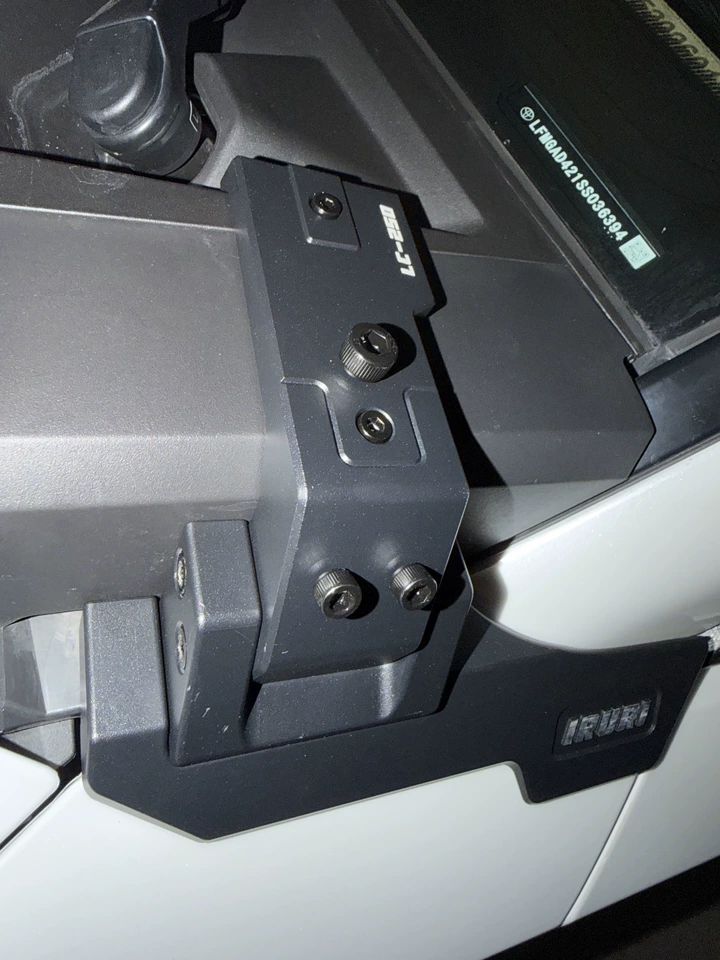
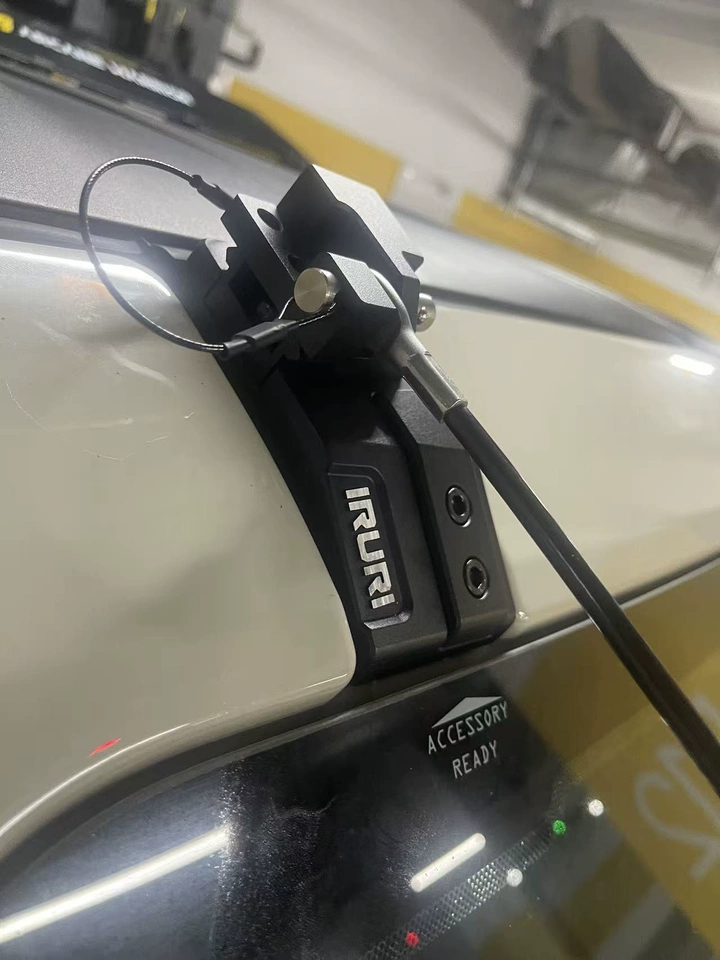
Material Architecture: Precision CNC machined from a single solid block of high-strength magnesium-aluminum alloy. No cast seams. No weak points. The 1.8kg setup handles heavy trail use without bending.
Load Path Alignment: Designed to anchor directly into the vehicle's factory reinforced framing. The secure screw-to-body mounting method creates a rigid mechanical connection that transfers load through reinforced structural channels, helping minimize sheet metal flexing or panel distortion.
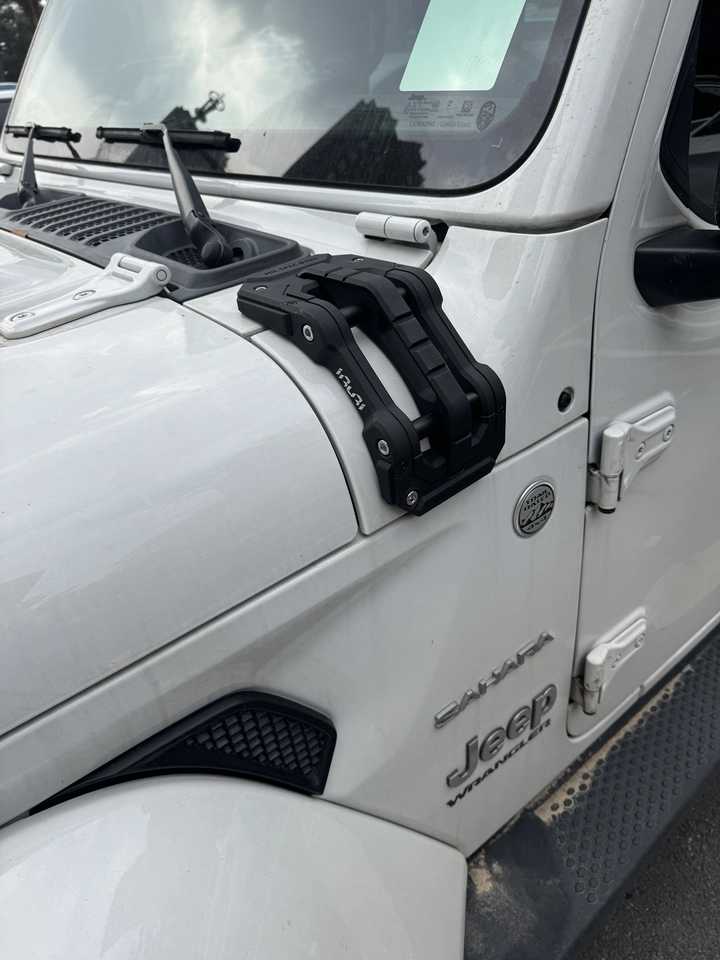
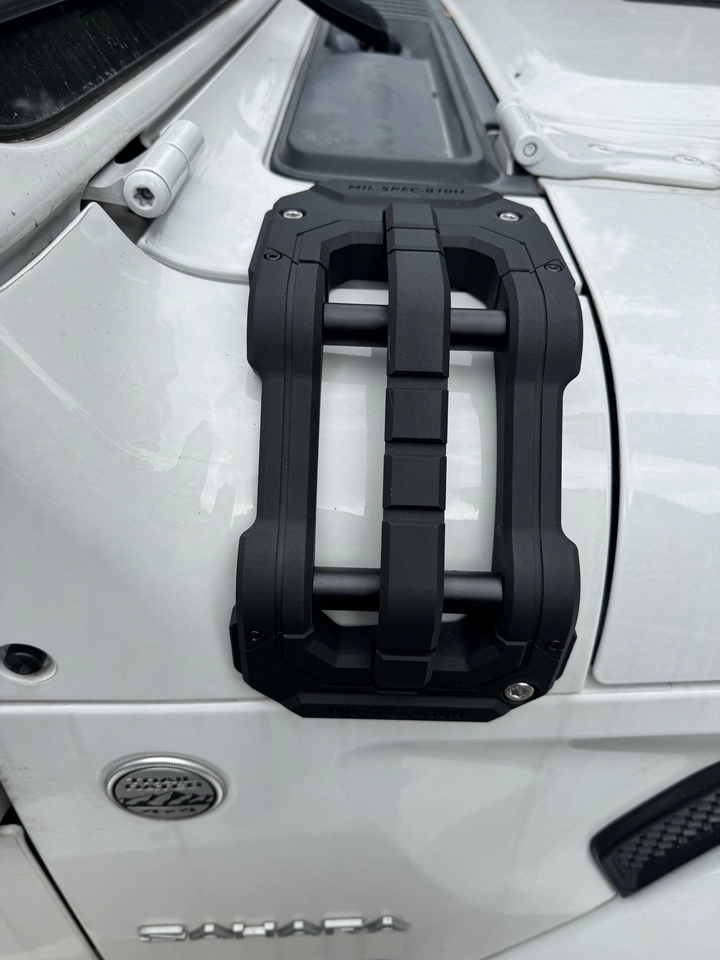
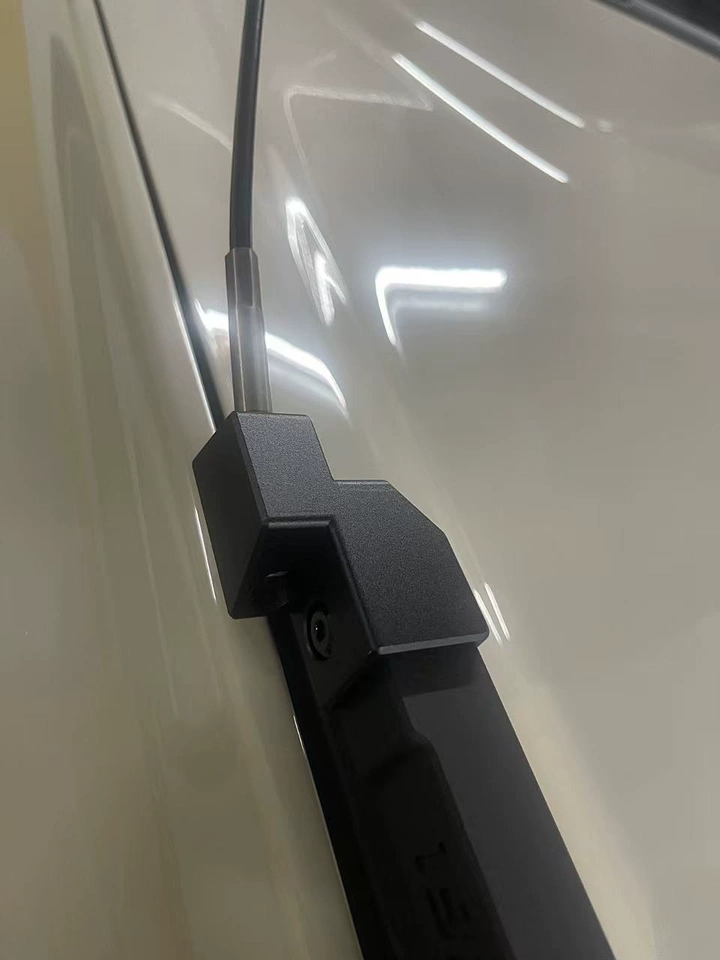
Fold-out Geometry: Hugs the rear pillar lines with a streamlined 42mm profile depth. This compact silhouette keeps the framework inside the natural aerodynamic trailing wake, helping reduce high-speed wind noise while ensuring clear rear hatch operation.
Grip Surface: Features an integrated matte textured finish with CNC chamfered edges. The micro-machined face provides an unyielding tactile hold for mud-covered gloves during freezing trail transits, completely eliminating paint-scratching slips.


Brand Philosophy
A Land Cruiser is never really finished. Every trip leaves its mark. Every season brings a different loadout. The vehicle changes with the person driving it.
Most manufacturers design for the vehicle people buy. IRURI designs for the vehicle people gradually become. Every exposed edge deserves a purpose.
Good equipment carries today's gear. Good design leaves room for tomorrow's.
Specifications
| Specification | Details |
|---|---|
| Brand | IRURI |
| Compatible Vehicle | Toyota Land Cruiser Prado LC250 (2024+) |
| Material | CNC Aluminum-Magnesium Alloy |
| Finish | Matte Black Anodized |
| Mounting System | Direct Bolt-On (Rigid Connection) |
| Dimensions | 381 * 107 * 42 mm |
| Weight | 1 kg (Complete Pair) |
Frequently Asked Questions
Does adding an exterior rear grab handle affect rear hatch operation or clearance?
No. Precision-molded variants are laser-measured to fit perfectly within the dead-space gaps of the pillar panels. The low-profile framework maintains exact factory clearances, ensuring the rear liftgate opens and closes smoothly across all electronic and manual configurations without rubbing painted surfaces.
No. Precision-molded variants are laser-measured to fit perfectly within the dead-space gaps of the pillar panels. The low-profile framework maintains exact factory clearances, ensuring the rear liftgate opens and closes smoothly across all electronic and manual configurations without rubbing painted surfaces.
How does a rigid bolt-on handle compare to temporary suction-cup roof steps?
Temporary suction-cup steps rely entirely on surface atmospheric pressure, which degrades rapidly under thermal shifts, heavy dust, or mud exposure. A direct screw-to-body rigid bolt-on handle provides an absolute, mechanical load bridge that can support heavy overlanders safely without any risk of slipping, breaking lose, or flexing thin body panels.
Temporary suction-cup steps rely entirely on surface atmospheric pressure, which degrades rapidly under thermal shifts, heavy dust, or mud exposure. A direct screw-to-body rigid bolt-on handle provides an absolute, mechanical load bridge that can support heavy overlanders safely without any risk of slipping, breaking lose, or flexing thin body panels.

Evolve Your Roof Access
See how the IRURI D-Pillar Grab Handles integrate with Land Cruiser LC250 builds. Experience a sturdy, silent handle that enhances your vehicle's rugged aesthetic. Stop adding temporary straps. Secure your step.
Explore the Grab Handles →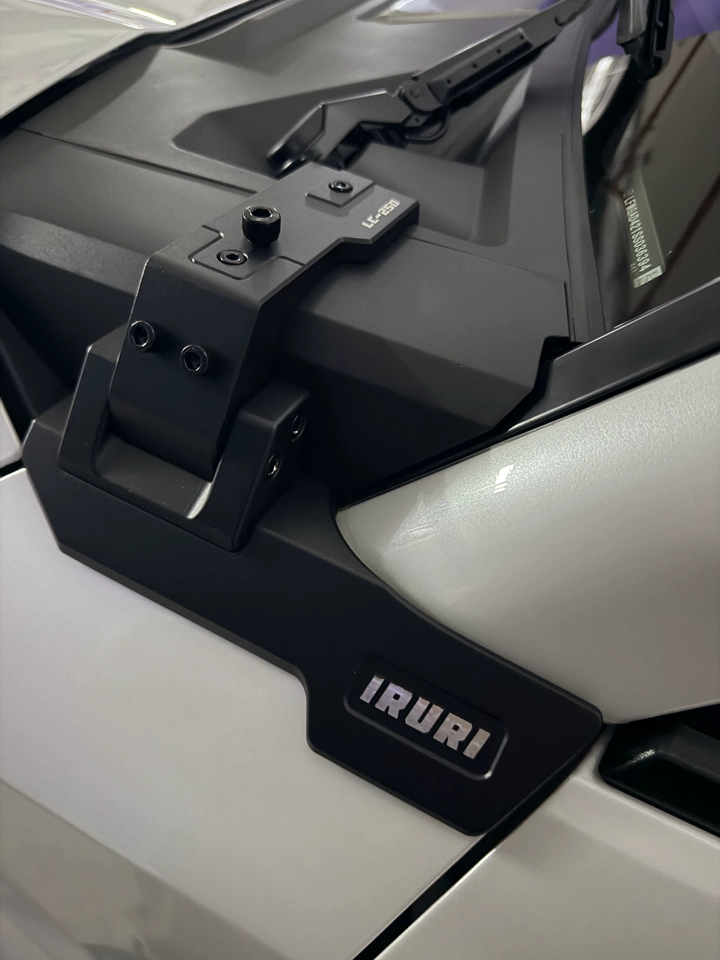
0 comments