

IRURI JOURNAL
ENGINEERING & DESIGN
Where Should You Mount a Whip Flag on a Jeep Wrangler?
Comparing Spare Tire, Rear Hinge, Roof Rack, and Bumper Mounts.
There isn't one perfect solution—it entirely depends on how you use your vehicle, your tire size, and what other accessories you need to carry. Whether you call it a whip flag, safety flag, or sand flag, most owners end up choosing between four primary mounting locations.
The Short Version
- If your Wrangler is mostly stock, a spare tire mount is hard to beat.
- Once the vehicle starts carrying bigger tires, recovery gear, or a GMRS antenna, that is usually when owners start looking elsewhere.
- This article focuses mainly on the Jeep Wrangler JL and JLU platforms, although the same geometric trade-offs apply to many off-road generations including 4xe setups.

Tailgate Mounting Analysis
| Mount Location | Leaves Camera Clear | Easy to Swap Gear | Adds Tailgate Load | Best Use Scenario |
|---|---|---|---|---|
| Spare Tire | No | No | Yes | Stock tires; light sand flags |
| Rear Hinge | Yes | Yes | No | Heavily equipped overland builds |
| Roof Rack | Yes | No | No | Open sand dunes with zero trees |
| Rear Bumper | Yes | No | No | Heavy aftermarket steel bumpers |
Four Mounting Options Breakdown
1. The Spare Tire Mount
Why owners choose it: This remains the most traditional setup on the trail, and it is usually the first location owners look at when figuring out where to mount a dune flag or a sand flag.
Advantages & Trade-offs: For a mostly stock Wrangler running factory tires, a basic spare tire flag mount works well. It keeps the vehicle profile tight and straightforward. However, as builds grow, this area quickly runs out of room. A common question that comes up among JL and 4xe owners is whether a spare tire mount will block the backup camera, and in most cases, it does. Furthermore, if the tailgate is already carrying an oversized 35-inch or 37-inch tire, adding a long, vibrating whip pole can put additional load on the tailgate hinges over time, especially when pounding down long washboard roads.


2. The Roof Rack
Why owners choose it: This setup is typically chosen by sand dune enthusiasts who prioritize absolute maximum initial height for trail visibility.
Advantages & Trade-offs: A roof rack offers excellent initial height, which is useful for maximum visibility over open dunes. But it's rare to see roof-mounted flags at local trail rides. Why? Because tree branches usually make that decision for you. One tight, low-clearance timber trail can easily risk damaging an expensive rack system or a fiberglass hardtop.


3. The Rear Bumper
Why owners choose it: Owners who have already upgraded to heavy-duty steel aftermarket bumpers often look here to tap into an existing structural base.
Advantages & Trade-offs: Bolting a bracket directly to a heavy-duty steel rear bumper gives a solid foundation that can take serious trail abuse without flexing. The trade-off is height. Because it mounts the flag too low on the vehicle, running an excessively long, flexible whip pole is required to meet the legal flag regulations at many off-road parks. On the highway, that long pole likes to bend back and contact the hardtop at speed.
4. The Rear Hinge
Why owners choose it: This setup is becoming the standard for newer, heavily equipped Wrangler builds where tailgate space is at a premium.
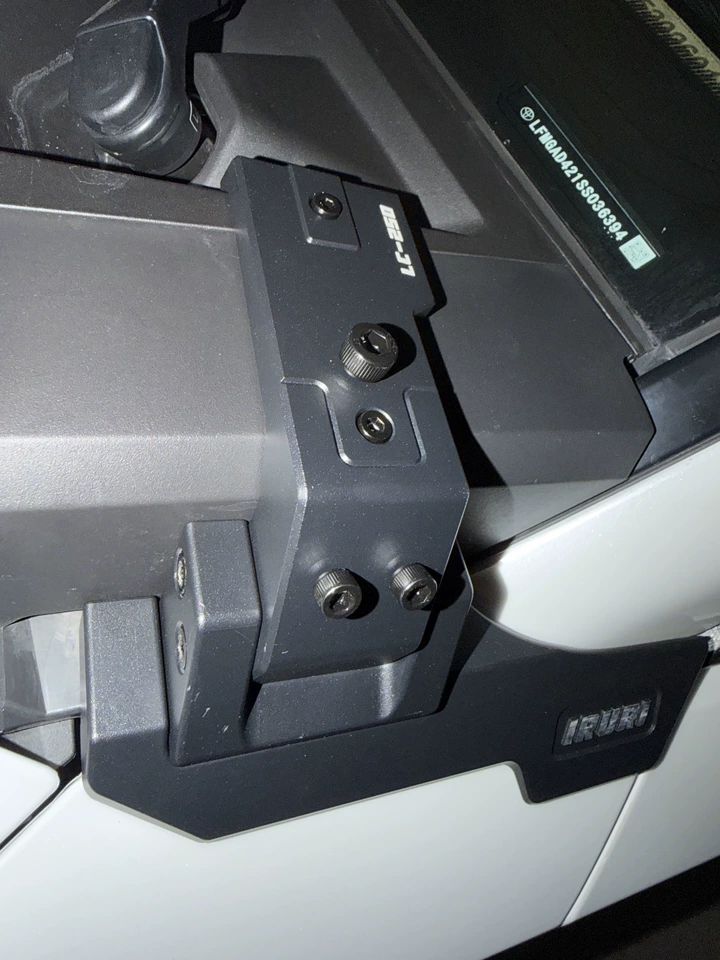
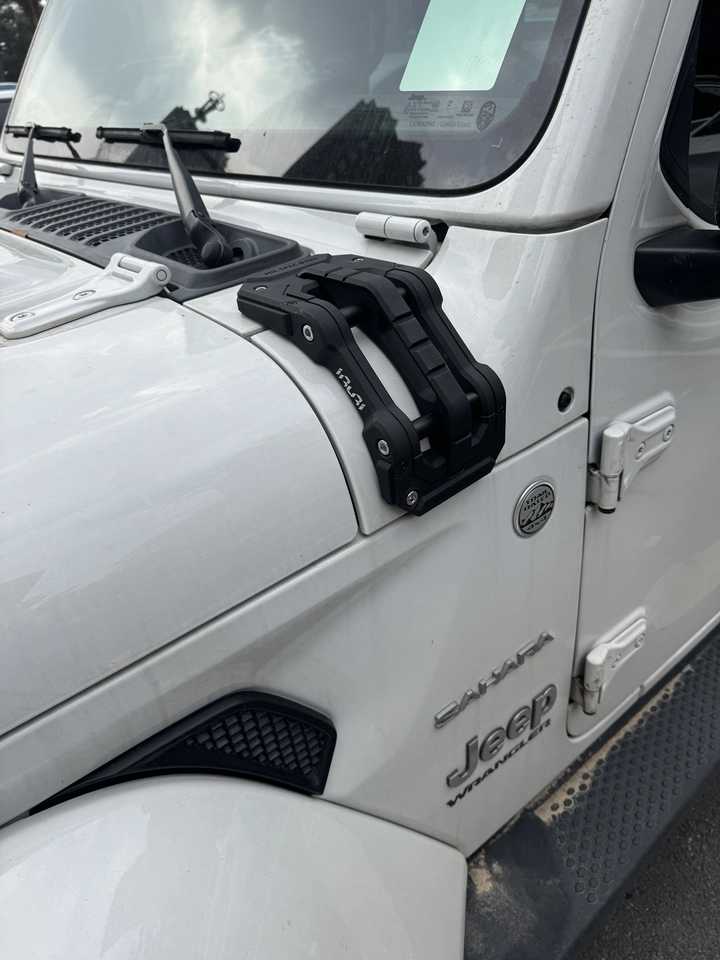
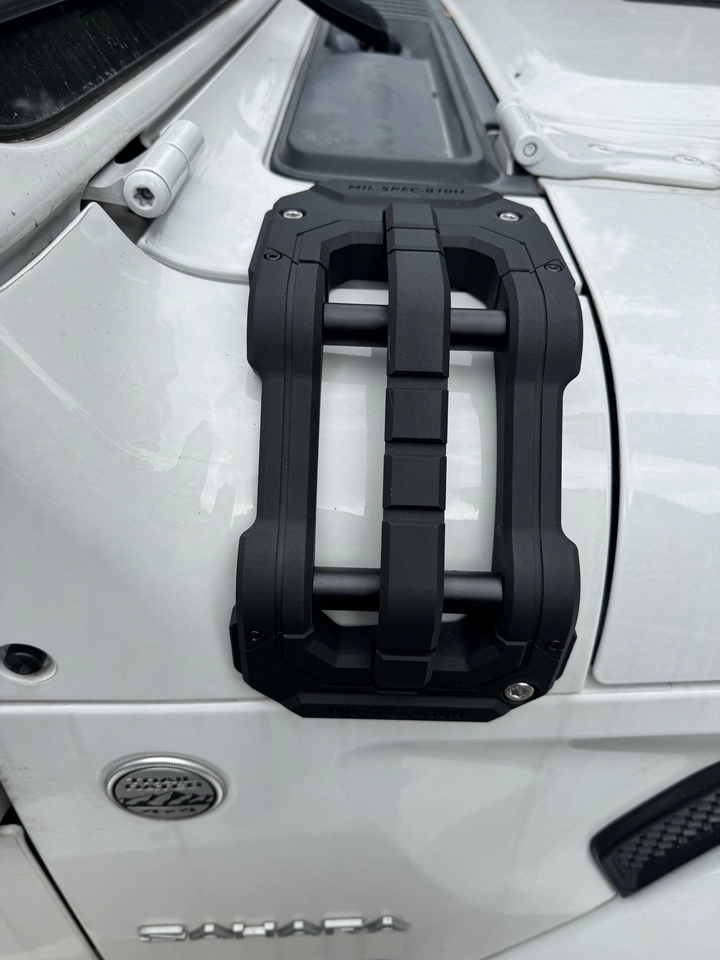
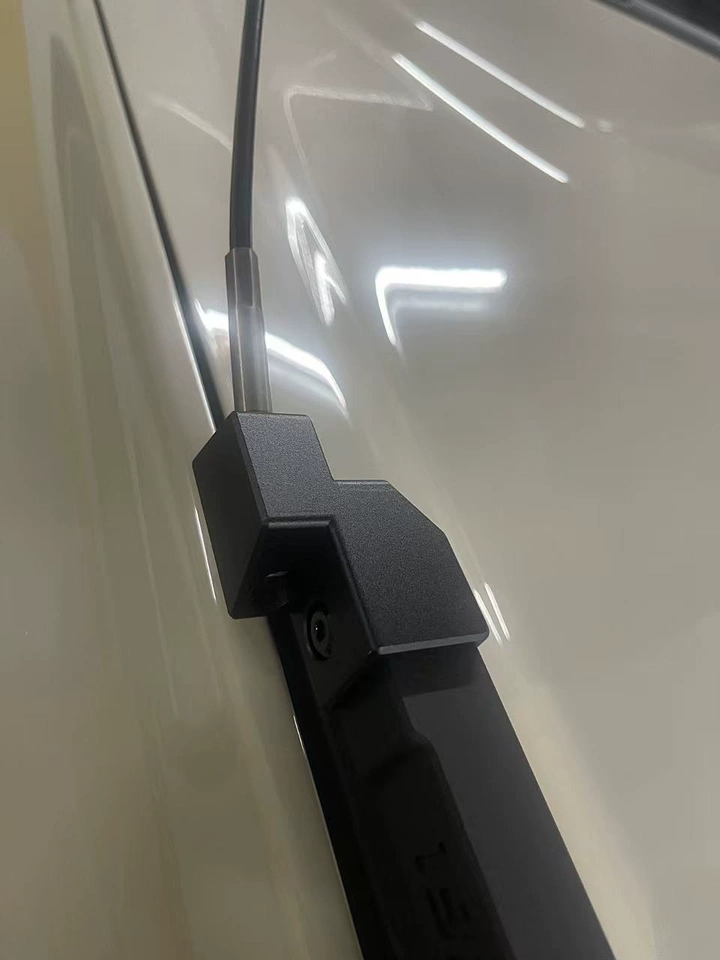
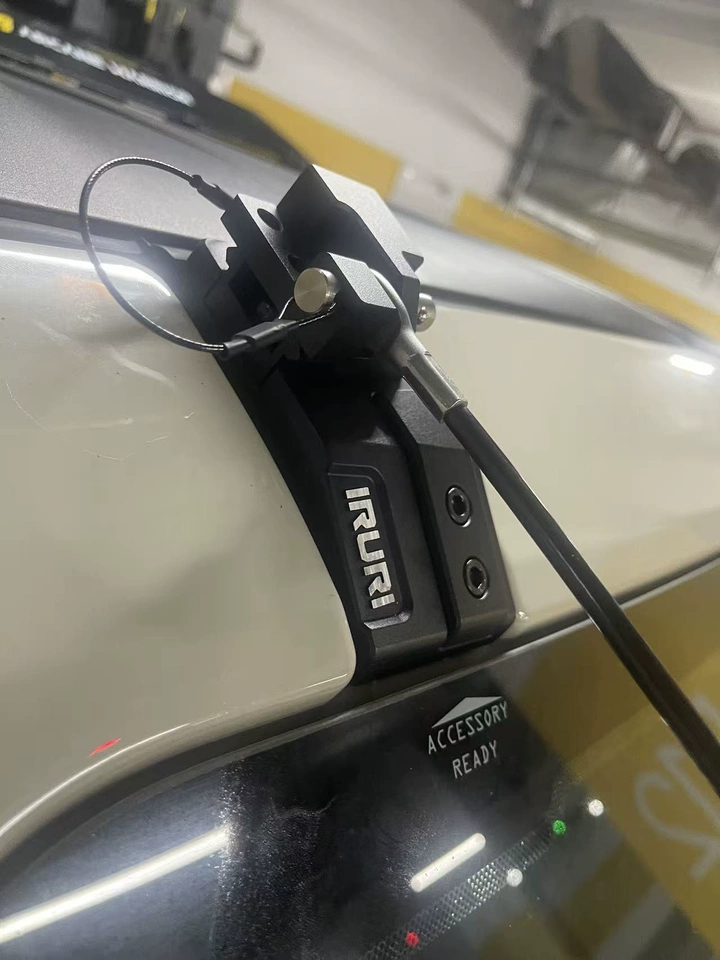
Advantages & Trade-offs: Shifting the mount to the vehicle’s body pillars and factory hinge bolts completely bypasses the moving tailgate skin. It leaves the spare tire area open, does not block the backup camera view, and makes it easy to swap gear for daily driving. The compromise here is usually a higher initial cost compared to a basic stamped steel plate behind the tire.


What We Noticed About Rear Space
Spend enough time around modified Wranglers and one pattern becomes hard to ignore: people rarely run out of gear; they run out of places to put it.
It has become common to see owners trying to balance multiple communication and recovery tools on the rear of the vehicle. A few conversations from the trailhead always stay with us. One specific comment from a Wrangler owner stuck out: *"I don't really want another bracket on my Jeep."*
Every trip requires a different setup. One weekend you are in the sand dunes and need a dune flag; the next trip you are camping in the mountains and need a quick-access shovel. Sometimes you carry a high-gain GMRS antenna; sometimes you don't. None of those tools are a problem on their own. The problem is that almost every individual accessory forces you to bolt another separate adapter or clamp onto the vehicle. Little by little, the rear of the vehicle fills up with a collection of brackets.
When people talk about organizing a build, they usually focus entirely on the gear—which shovel, which antenna, which flag. Very few people stop to think about the mounting points themselves.


Shifting the Perspective
Compare enough Wrangler builds and a shift in behavior becomes obvious. The same mounting point keeps getting reused. One trip it carries a sand flag. Another trip it carries a trail shovel. Later it becomes a GMRS antenna. Without anyone really planning it, the rear of the vehicle slowly becomes the place where every trip starts.
A shovel needs a place. An antenna needs a place. A flag needs a place. Eventually, the rear of the Wrangler becomes a working space. That simple observation is the approach behind the IRURI Rear Utility Mount.


Conclusion
If a Wrangler only carries a whip flag a few times each year, a simple spare tire bracket is hard to beat. But if the rear of the vehicle is doing more work for every trip, it might be worth looking at the space differently. The rear of a Jeep isn't empty space. It's where every trip begins.
Every piece of gear has a job. Every job deserves a place. That's how we think about the rear of a Jeep.

READY TO RETHINK YOUR TAILGATE'S MISSION CAPACITY?
Experience the alignment of clean spatial optimization, modular utility infrastructure, and pure industrial aesthetics. Stop adding random brackets. Give your gear its proper place.
EXPLORE THE PLATFORM →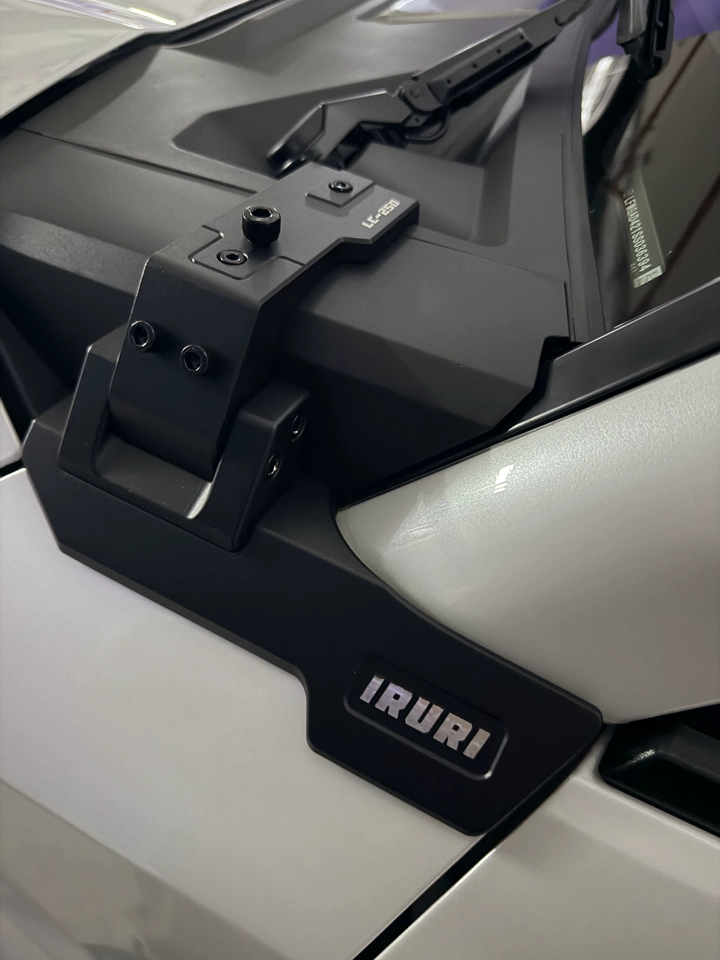
0 comments