

IRURI JOURNAL
ENGINEERING & DESIGN
The Changing Roof
How a Jeep Wrangler Roof Changes Over Time.
This article is for Wrangler owners whose setup keeps changing with every trip.
Quick Answers
Is a roof rack worth it on a Jeep Wrangler?
Yes. But only if your journeys require carrying bulky gear like recovery boards or fuel cans. If your Wrangler only commutes on pavement, a large platform adds unnecessary drag. For overlanding, the key is choosing a lightweight Jeep Wrangler roof rack that balances storage with aerodynamic efficiency so it doesn't become a daily burden.
Yes. But only if your journeys require carrying bulky gear like recovery boards or fuel cans. If your Wrangler only commutes on pavement, a large platform adds unnecessary drag. For overlanding, the key is choosing a lightweight Jeep Wrangler roof rack that balances storage with aerodynamic efficiency so it doesn't become a daily burden.
What is the best roof rack for a Jeep Wrangler JL?
The best platform is one that adapts to your changing cargo needs without requiring excessive modification. Look for an aluminum Wrangler roof rack to keep weight low, and one that features integrated mounting points. This prevents you from having to continually purchase and stack third-party brackets as your gear changes over time.
The best platform is one that adapts to your changing cargo needs without requiring excessive modification. Look for an aluminum Wrangler roof rack to keep weight low, and one that features integrated mounting points. This prevents you from having to continually purchase and stack third-party brackets as your gear changes over time.
Does a roof rack increase wind noise on a Jeep Wrangler?
Traditional designs do, due to mismatched hardware. Most Wrangler roof platforms act as a vertical wall against the air, and stacking aftermarket brackets on top creates severe turbulence. The IRURI Roof Utility uses a geometric two-layer front architecture to let air slide smoothly over the vehicle, helping reduce the low-frequency Wrangler wind noise common to many traditional setups.
Traditional designs do, due to mismatched hardware. Most Wrangler roof platforms act as a vertical wall against the air, and stacking aftermarket brackets on top creates severe turbulence. The IRURI Roof Utility uses a geometric two-layer front architecture to let air slide smoothly over the vehicle, helping reduce the low-frequency Wrangler wind noise common to many traditional setups.

Why Jeep Wrangler Roof Racks Keep Changing
A Jeep Wrangler roof rack rarely stays the same after years of overlanding. Recovery boards become fuel cans, camp lights replace storage boxes, and every trip changes how the roof is used.
After enough weekends on the trail, one pattern becomes difficult to ignore. The roofs of these vehicles rarely look the same twice. One year, a Wrangler roof rack carries recovery boards for a desert trip. The next year, those are replaced by fuel cans and camp lights for a week-long trail adventure. Later, as the trips change, a new shovel needs a home.
The roof never stays finished. The journey changes, the gear changes, and the demands on the vehicle change. Yet, most Jeep Wrangler roof rack designs are built as static cages. They assume your setup on day one is the setup you will live with forever.


Why Wrangler Roof Racks Become Crowded
Over time, while working on our own Wrangler builds and paying attention to others on the trail, one pattern kept repeating. When a Jeep Wrangler roof rack cannot change, owners do what they have always done: they adapt.
Signs your Wrangler roof rack needs to evolve:
- Running out of integrated mounting points
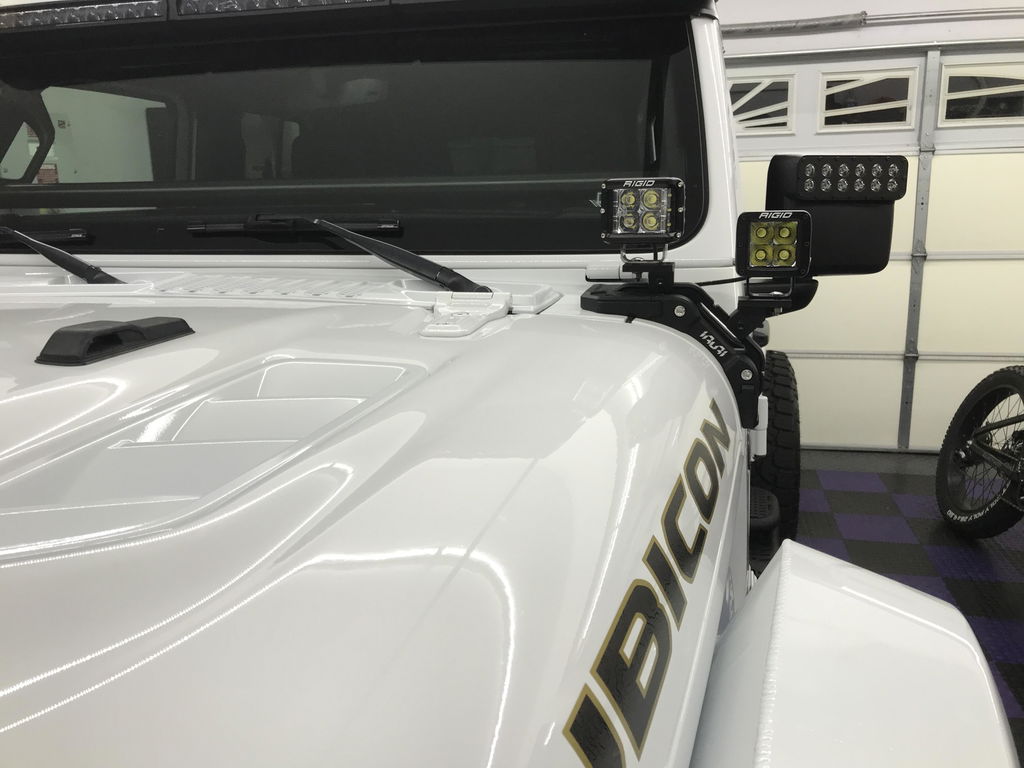
- Too many brackets from different manufacturers
- Increased low-frequency wind noise on the highway
- Difficult and unsafe access to tools in the mud
We kept seeing vehicles arriving at trailheads covered in conflicting hardware. It wasn't one vehicle. It kept happening. One owner laughed and said, "Every new trip costs me another clamp. Right now, I have more brackets than gear."
Eventually, the roof wasn't running out of space. It was running out of useful places.


Why Wrangler Wind Noise Gets Worse
The problem wasn't carrying more gear. It was finding another place to mount it without turning the vehicle into an overbuilt structure.
After enough highway miles, one thing became obvious. The low-frequency Wrangler wind noise that disrupts long transits rarely comes from the gear itself. It comes from the turbulent air trapped between these mismatched, stacked brackets. At the same time, adding heavy, solid steel structures high above the vehicle raises the center of gravity, introducing an unsettling body roll during off-camber trail sections.


A Different Way to Think About Wrangler Roof Space
We weren't looking for another Jeep Wrangler roof rack. We were trying to understand why every roof kept changing.
We stopped asking how much a vehicle's roof could carry, and started asking how many different tasks it could do. A shovel needs a place. A chase light needs a place. If the roof keeps changing, the mounting points shouldn't have to start over.

The IRURI Roof Utility
That observation didn't immediately become a product. It became a design question. That question eventually influenced the architecture of the IRURI Roof Utility.
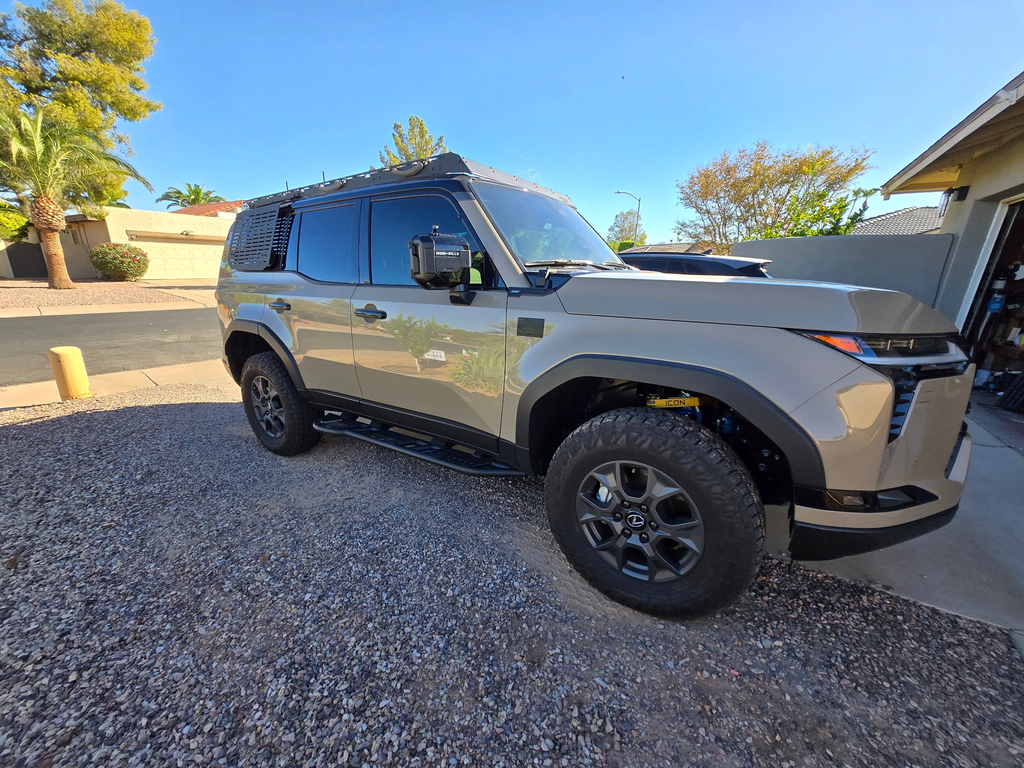
Weight became part of the problem. So it had to become part of the solution. That's why the foundation uses high-strength aluminum alloy, keeping the total weight of the platform at **27kg**, making it one of the lightest full-length aluminum roof rack systems in its class. By minimizing the mass added to the highest point of the Wrangler, the vehicle retains its predictable handling on side slopes and high-speed corners.


To address the highway miles before the trail, the front profile utilizes a distinct two-layer architecture. Rather than acting as a vertical wall against the wind, the geometric connection allows air to slide cleanly over the top of the vehicle, helping reduce the low-frequency wind noise common to many traditional Wrangler roof rack setups.
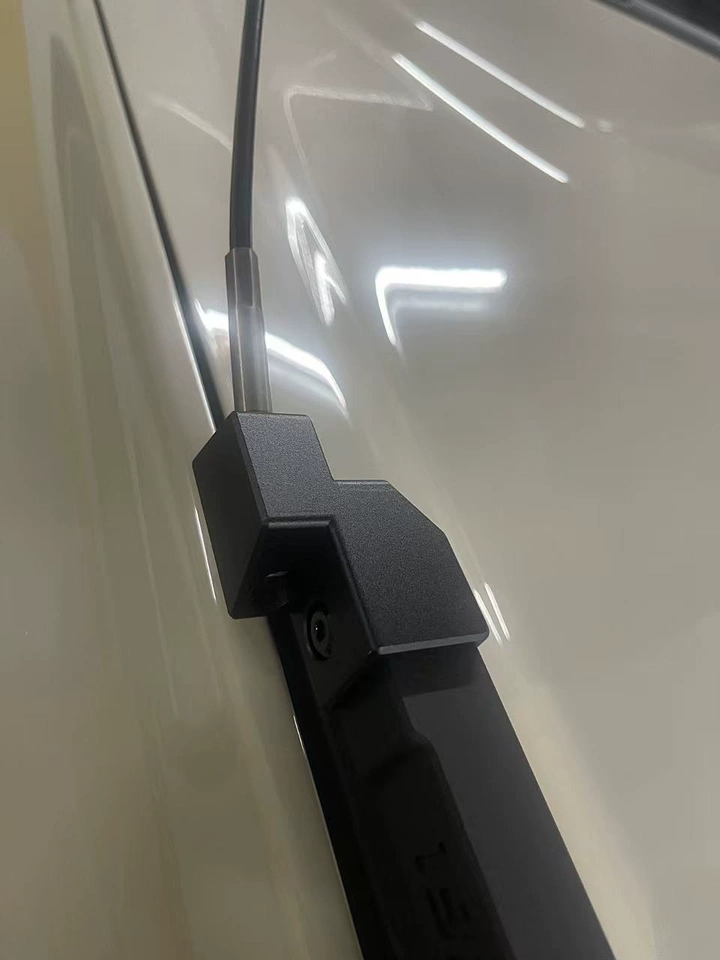
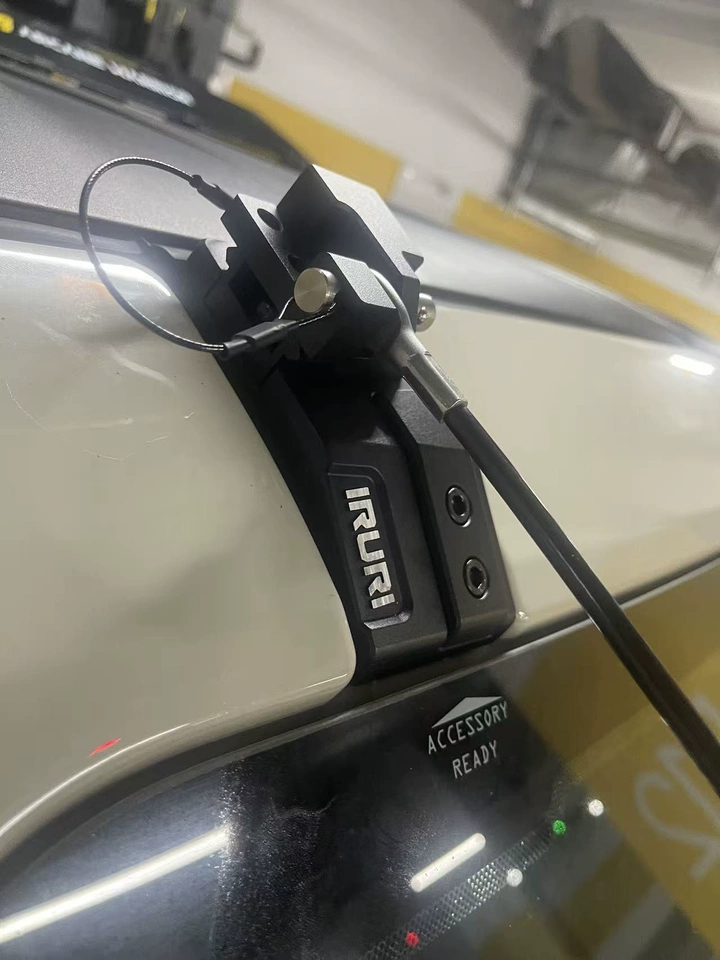
But more importantly, it introduces useful places. The mounting points are integrated directly into the perimeter and the cross-sections. When you need to add an auxiliary light bar or secure an overland tool, the hardware meets a predefined foundation. The grab handles are not bolted-on accessories; they are structural elements of the frame. Whether you're tightening a cargo strap or climbing onto the tire, there's already a place to hold whenever the task requires you to reach above.
It is a Jeep Wrangler roof rack designed for the reality that your setup next year will look different than it does today.
A Wrangler is never really finished. Every trip changes the vehicle a little. Every year asks for something different. The vehicle evolves with the person driving it.
Most manufacturers design for the vehicle people buy. IRURI designs for the vehicle people gradually become.
Nothing on an expedition stays finished. Every piece of gear has a job. Every job deserves a place.
Good equipment carries today's gear. Good design leaves room for tomorrow's.
Specifications
| Dimension | Measurement |
|---|---|
| Length | 1659 mm |
| Width | 1509 mm |
| Height | 226 mm |
| Weight | 27 kg |
| Material | High-Strength Aluminum Alloy |
| Finish | Matte Black |
| Compatibility | Jeep Wrangler JL / 4xe / Rubicon (2019–Present) |

READY TO EVOLVE YOUR WRANGLER'S STORAGE ARCHITECTURE?
Experience the alignment of clean spatial optimization, native integrated mounting points, and low center-of-gravity aluminum construction. Stop stacking third-party brackets. Give your journey room to grow.
EXPLORE THE PLATFORM →
0 comments