

IRURI JOURNAL
DESIGN LOG
Why Jeep Wrangler JL Tail Lights Get Damaged More Often Than You Think
Most tail light damage doesn't happen during extreme rock crawling. It happens during the ordinary weekends nobody expects to end with a cracked lens.
Nobody Pays Attention to the Rear Corner
Nobody watches the rear corner of their Jeep. Not until they hear it. A dull scrape. A muted crack. By then, it's already over.
Most of us spend our attention looking ahead—placing the front tire, watching the mirror, picking a line through trees or around rocks. Once the front clears the obstacle, it's easy to assume the rest of the vehicle will follow.

Sometimes it doesn't. The rear swings a little wider than expected. A tree branch catches the corner. A weathered campground post sits just outside the mirror. Brush slowly drags across the body on an overgrown forest road.
Nothing dramatic happens. You finish the trip, drive home, unload your gear, and wash the Jeep on Sunday afternoon. That's usually when you notice it. A crack running across the factory LED lens. You don't remember exactly when it happened. Only that it wasn't the kind of impact you would have worried about.
We Didn't Want Another Cage
When people think about protection, the first instinct is usually simple: Cover everything. Build a bigger cage. Use thicker steel. At first glance, that seems logical.
But after looking at how factory Wrangler taillights actually get damaged, we kept arriving at the same conclusion. The damage almost never starts in the middle of the lens. It almost always starts at the outer edge.


That observation changed the way we approached the entire product. Instead of surrounding the entire light assembly with heavy bars and steel mesh, we focused on the part that normally makes contact first.
Inside the workshop, we eventually started referring to this idea as Controlled First Contact. Not because it sounded clever. Simply because it described exactly what we were trying to achieve. If something touches the Jeep first, we'd rather it touches the aluminum frame than the factory lens.


Protection Doesn't Have to Look Like a Cage
A lot of aftermarket tail light guards seem designed around one idea: More metal must mean more protection. The problem is that every additional bar creates compromises. More places for mud to collect. More weight hanging off the rear corner. More visual clutter. Sometimes even unnecessary interference around factory electronics.
We kept removing material until only the structure we actually needed remained. The final shape isn't open because it looks minimalist. It's open because everything we removed stopped serving a useful purpose. Good protection isn't about surrounding a part. It's about deciding where protection actually matters.

A Design That Lives in the Real World
One thing became obvious during development. The cleanest design also happened to be the easiest one to live with. Without enclosed steel grids or unnecessary crossbars, washing mud off the rear corner takes seconds instead of becoming another maintenance job.
On Wranglers equipped with Blind Spot Monitoring, keeping the side profile open also avoids placing unnecessary material around the factory sensor area. Nothing complicated. Just giving the vehicle the space it already needs. Sometimes the best design decision isn't adding another feature. It's removing something that shouldn't have been there in the first place.


Things Wrangler Owners Ask
Why are Jeep Wrangler JL taillights so easy to damage?
Factory LED taillights extend beyond the rear bodywork, leaving the outer corners exposed during everyday off-road driving. Branches, brush, campground posts and narrow trails usually contact the outer edge of the housing before they contact the steel body.
Factory LED taillights extend beyond the rear bodywork, leaving the outer corners exposed during everyday off-road driving. Branches, brush, campground posts and narrow trails usually contact the outer edge of the housing before they contact the steel body.
What usually damages Wrangler taillights?
Most damage comes from low-speed contact rather than major impacts. Common causes include tree branches, brush along narrow forest roads, campground posts, tight parking areas, backing into obstacles outside the driver's view, and flying gravel on unsealed roads.
Most damage comes from low-speed contact rather than major impacts. Common causes include tree branches, brush along narrow forest roads, campground posts, tight parking areas, backing into obstacles outside the driver's view, and flying gravel on unsealed roads.
Are factory LED taillights expensive to replace?
They can be. Modern factory LED assemblies combine the housing, lens and internal electronics into a single unit, making replacement significantly more expensive than traditional halogen lights.
They can be. Modern factory LED assemblies combine the housing, lens and internal electronics into a single unit, making replacement significantly more expensive than traditional halogen lights.
Do tail light guards actually work?
They can—provided they're designed to redirect contact away from the factory lens. The goal isn't to make the Jeep indestructible. The goal is to prevent everyday trail contact from becoming an unnecessary repair.
They can—provided they're designed to redirect contact away from the factory lens. The goal isn't to make the Jeep indestructible. The goal is to prevent everyday trail contact from becoming an unnecessary repair.
Will a tail light guard interfere with Blind Spot Monitoring?
Some enclosed designs can. Keeping the sensor side open helps preserve the clearance around the factory Blind Spot Monitoring system while still protecting the areas most likely to contact obstacles.
Some enclosed designs can. Keeping the sensor side open helps preserve the clearance around the factory Blind Spot Monitoring system while still protecting the areas most likely to contact obstacles.
Why choose aluminum instead of steel?
Steel remains an excellent choice for applications that prioritize maximum impact resistance. For this project, however, we chose CNC-machined 6061-T6 aluminum because it provides excellent strength while keeping weight low, naturally resists corrosion, and better matches the design language of the Wrangler's rear bodywork.
Steel remains an excellent choice for applications that prioritize maximum impact resistance. For this project, however, we chose CNC-machined 6061-T6 aluminum because it provides excellent strength while keeping weight low, naturally resists corrosion, and better matches the design language of the Wrangler's rear bodywork.
Does it fit the Wrangler 4xe?
Yes. The mounting points are shared across the modern JL platform, including Wrangler Sport, Sahara, Rubicon, Willys, Unlimited, and factory-equipped 4xe models with OEM LED taillights.
Yes. The mounting points are shared across the modern JL platform, including Wrangler Sport, Sahara, Rubicon, Willys, Unlimited, and factory-equipped 4xe models with OEM LED taillights.

The Part You Hopefully Never Think About
The best off-road accessories aren't always the ones you notice every day. Sometimes they're the ones quietly doing their job while you enjoy the drive.
Most weekends don't end in recovery situations. They end back in the driveway, rinsing dust and mud off the Jeep before Monday morning. That's where this part earns its place.
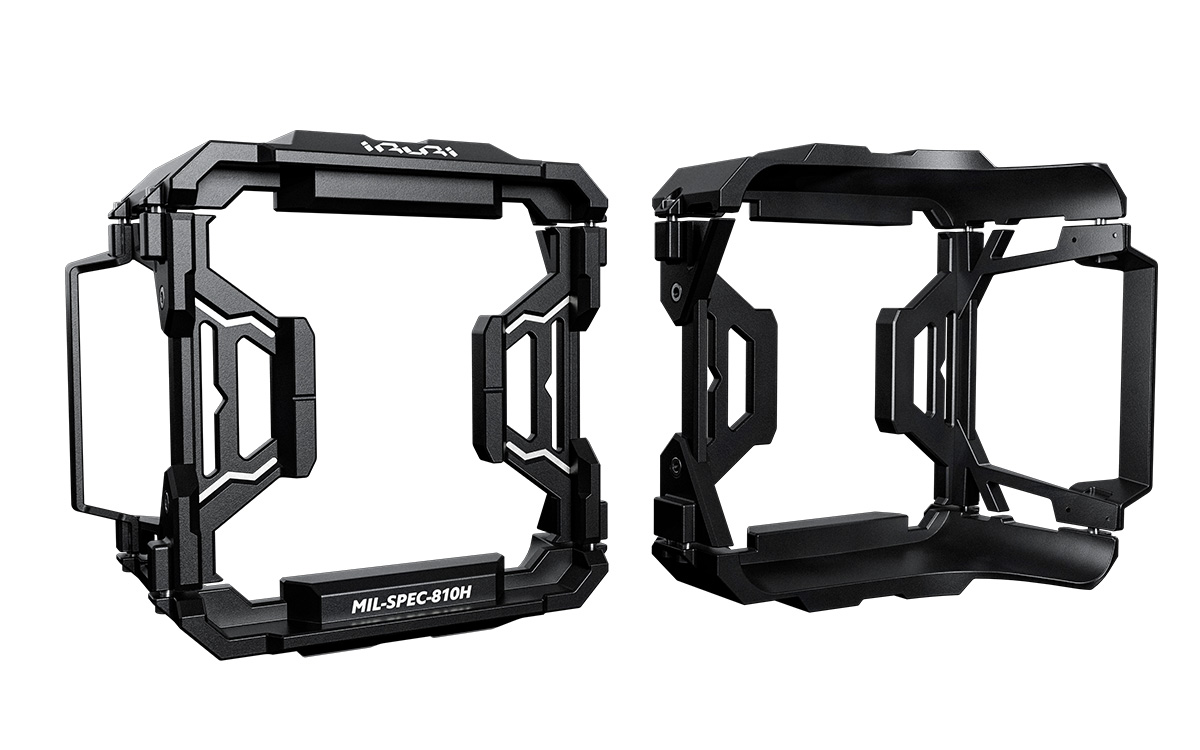
| Specification Element | Engineering Details |
|---|---|
| Vehicle Compatibility | 2018 - 2026 Jeep Wrangler JL, Rubicon, Sport, Willys, & Wrangler 4xe |
| System Application | Everyday Trail Insurance / Edge Contact Zone Protection Framework |
| Material Composite | CNC-Machined 6061-T6 Aircraft Grade Structural Aluminum Alloy |
| Exterior Finish Index | Anti-Corrosion Shot-Peened Satin Matte Black Anodization Layer |
| Sensor Integration | 100% Unrestricted Peripheral Clearance Window for OEM Blind Spot Monitoring (BSM) Radar Modules |
| Installation Footprint | Direct Bolt-on Architecture; Utilizes Factory Subframe Anchors; No Panel Modifications Required |
Good products begin with drawings. Better ones begin with observations.
Explore Tail Light Protection for the Jeep Wrangler JL →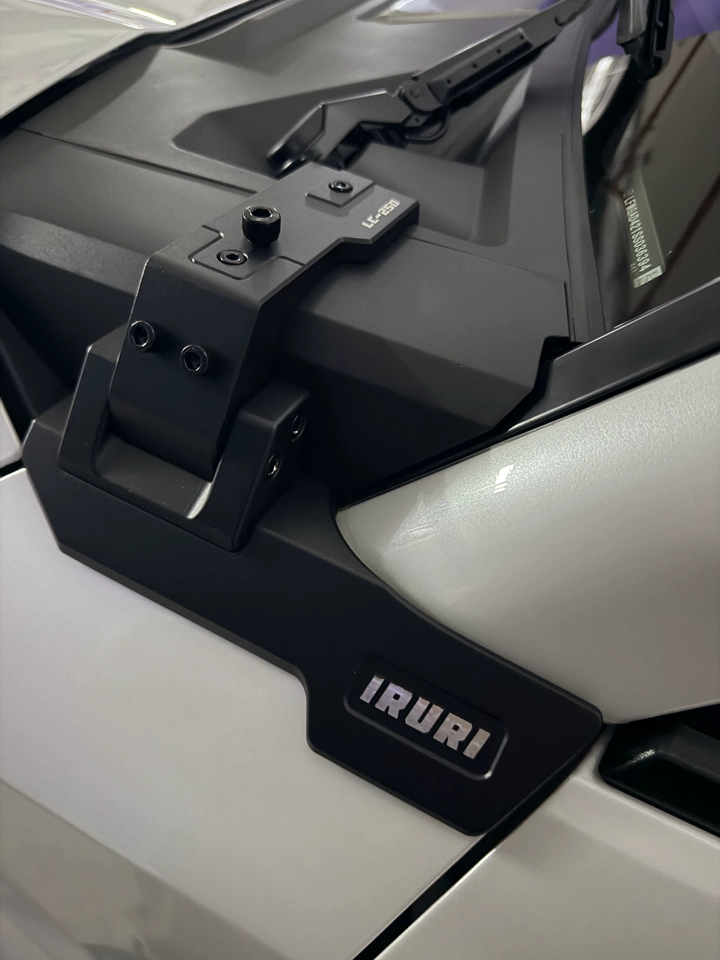
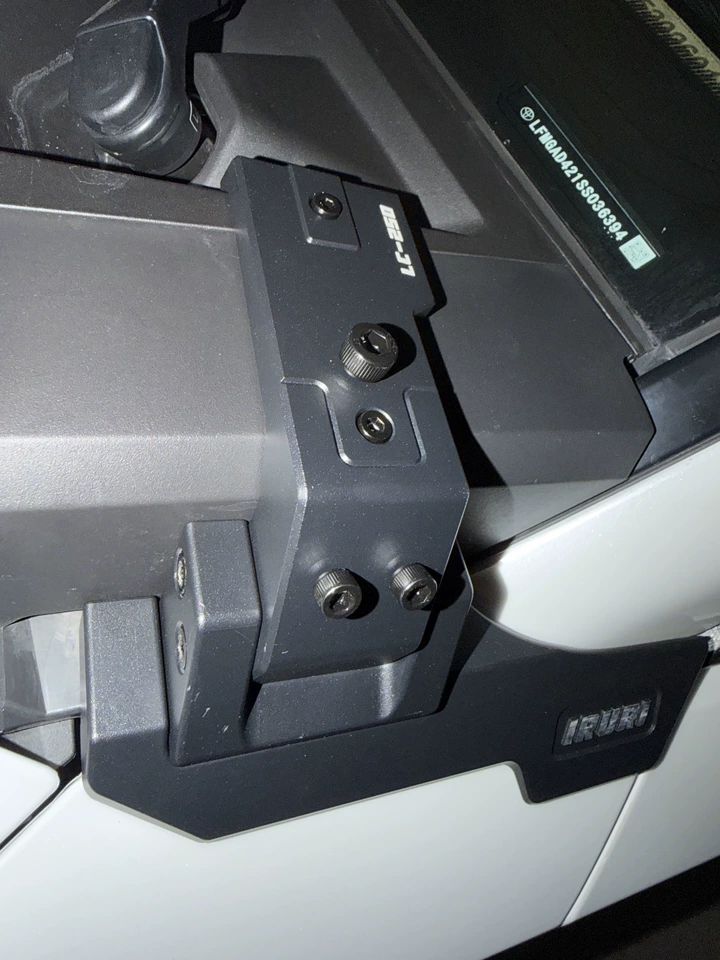
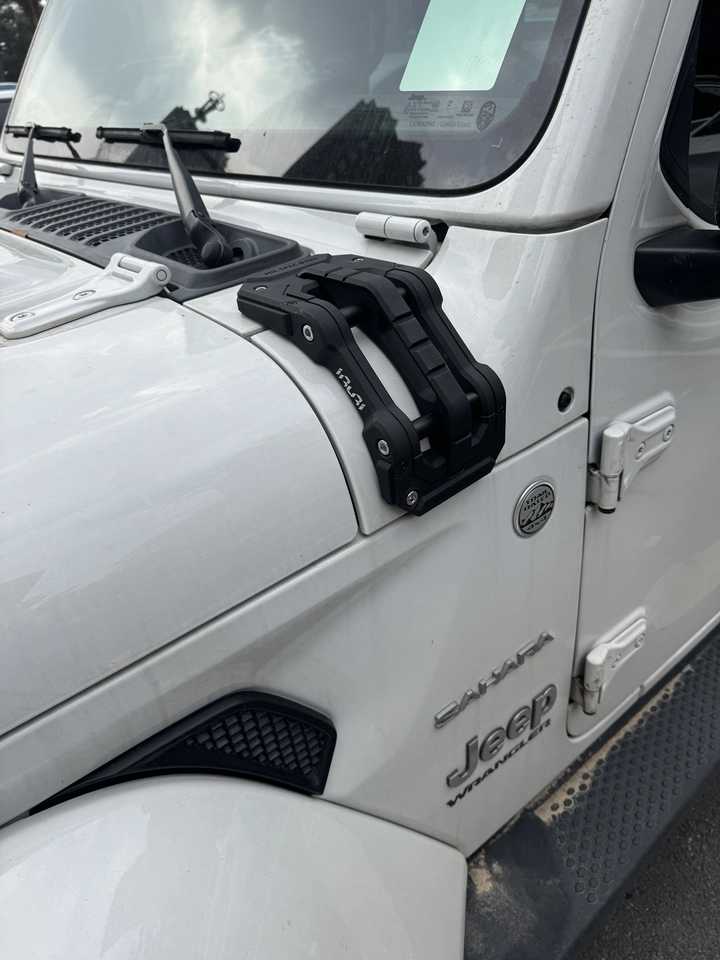
0 comments