

IRURI JOURNAL
ENGINEERING & DESIGN
The Vertical Step
Balancing Hinge Load and Low-Profile Roof Access on a Jeep Wrangler.
This article is for Wrangler owners who need consistent access to their roof cargo but refuse to sacrifice the clean, flush side lines of their build.
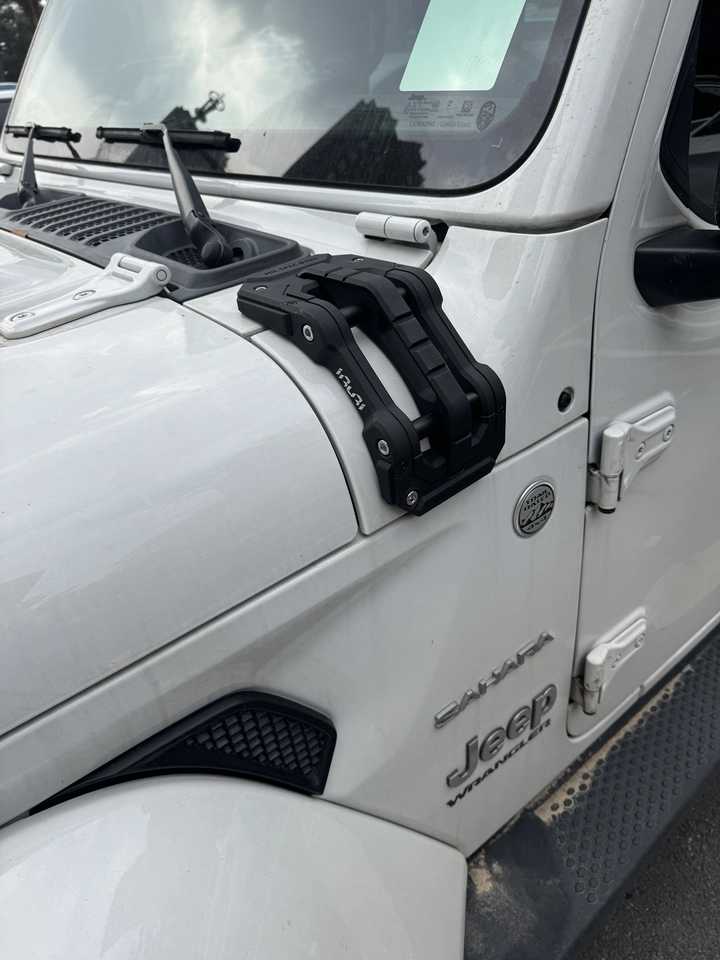
A Jeep Wrangler door hinge step is a folding platform mounted to the factory door hinges, providing safer roof access without drilling or permanent body modifications.
Quick Answers
Will a side hinge ladder bend my Jeep Wrangler door hinges?
In most cases, no. A properly engineered door hinge step is designed to transfer weight directly through the factory hinge structure rather than pulling outward on the door skin. Choosing a lightweight magnesium-aluminum alloy unit further eliminates passive weight sag, helping minimize door sag and unnecessary stress on factory components.
In most cases, no. A properly engineered door hinge step is designed to transfer weight directly through the factory hinge structure rather than pulling outward on the door skin. Choosing a lightweight magnesium-aluminum alloy unit further eliminates passive weight sag, helping minimize door sag and unnecessary stress on factory components.
Can a side ladder be torn off by trees on tight trails?
Traditional fixed ladders are high risks, but low-profile folding designs avoid this entirely. When closed, a precision folding door hinge step tucks completely flush within the natural profile of the factory fenders and doors. It remains hidden until you manually deploy it.
Traditional fixed ladders are high risks, but low-profile folding designs avoid this entirely. When closed, a precision folding door hinge step tucks completely flush within the natural profile of the factory fenders and doors. It remains hidden until you manually deploy it.
Why not just step on the rear tire or bumper for roof rack access?
Stepping on a slick, mud-covered 35-inch off-road tire while balancing heavy cargo is unstable and dangerous. A dedicated folding roof access step provides a wide, textured, double-layer platform that gives heavy mud boots a reliable foothold in all weather conditions.
Stepping on a slick, mud-covered 35-inch off-road tire while balancing heavy cargo is unstable and dangerous. A dedicated folding roof access step provides a wide, textured, double-layer platform that gives heavy mud boots a reliable foothold in all weather conditions.

Why Roof Access Solutions Keep Changing
Anyone who has spent a weekend managing a roof tent, securing a kayak, or organizing an overland wrangler roof rack knows the baseline friction of a Jeep Wrangler: it is a tall vehicle with zero built-in options to reach the top. Somewhere between loading the roof tent and packing recovery boards, owners naturally develop makeshift habits to reach their gear. They balance on wet rear bumpers, jump onto slick tires, or pull themselves up by stretching out the factory door seals.
These movements aren't just awkward—they introduce immediate trail risks. Muddy boots slip off wet tire treads, and grabbing the plastic rain gutters puts stress on areas never designed to support human weight. While the roof layout evolved to hold hundreds of pounds of expedition gear, the physical means of standing safely next to that gear remained surprisingly primitive.


Why Side Profiles Get Crowded
When owners realize they need a permanent tool for jeep roof access, they face a definitive compromise. Most of the climbing accessories or wrangler ladder setups we kept seeing on the trail fell into two categories: thin cosmetic flip-down rings, or oversized permanent iron safari ladders that bolted over the rear body panels. One looked temporary and rattled constantly on washboard tracks. The other looked overbuilt, obstructed side visibility, and added permanent wind drag on long highway transits.
Traditional Roof Access Disadvantages:
- Stepping on mud-terrain tires leads to slips and falls in wet or snowy conditions.
- Some temporary steps place stress on body panels they weren't designed to support.
- Permanent rear iron ladders increase body width and catch low-hanging branches in tight timber passes.
- Flimsy, generic steps create persistent metal-on-metal rattles on high-speed dirt roads.
By the time vehicles reached the trailhead, many already carried temporary solutions. Many relied on narrow, single-point foot pegs that offered zero support for heavy boots, while others chose massive iron structures that completely disrupted the clean lines of the Wrangler JL or 4xe profile. None of these setups looked like they belonged there. It wasn't lacking room. It was lacking purpose-built places.


Rethinking Roof Access
The journey toward cleaner integration began with a simple question. We started wondering whether the side door hinge area needed to remain a passive pivoting bracket—or if a properly engineered door hinge step could serve a better purpose. Instead of treating the door hinge as a fragile piece that shouldn't be touched, we began viewing it as a robust, engineered anchor point sitting at the exact center of the vehicle’s functional workspace.
A heavy boot needs a wide, level place to stand. Loading a roof tent or securing cargo needs a steady foundation. Achieving this shouldn't require cluttering your body lines with permanently protruding steel cages or adding passive deadweight to your sheet metal. If the demands of an adventure are constantly shifting, the foundational points of the vehicle should be engineered to welcome that evolution naturally.


The IRURI Side Ladder
Engineering a Specialized Door Hinge Step
The development of a reliable door hinge step didn't begin with a traditional fixed ladder; it focused on engineering an immediate roof access step that blends seamlessly with the factory profile. The fold-out support geometry had to prove it could fold completely away and disappear before it earned the right to bear weight.
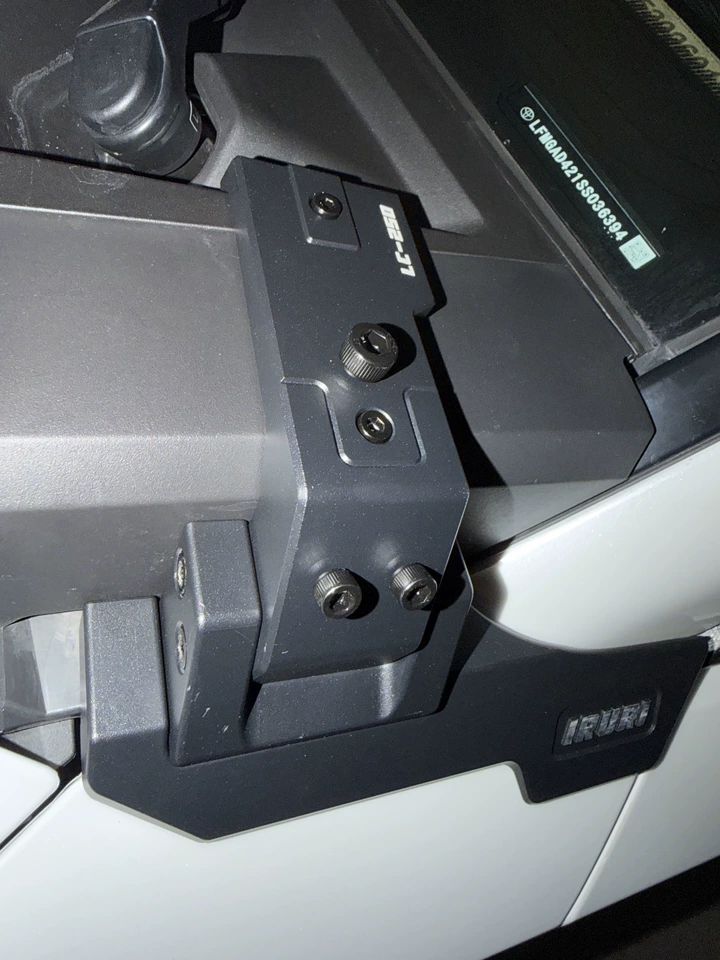
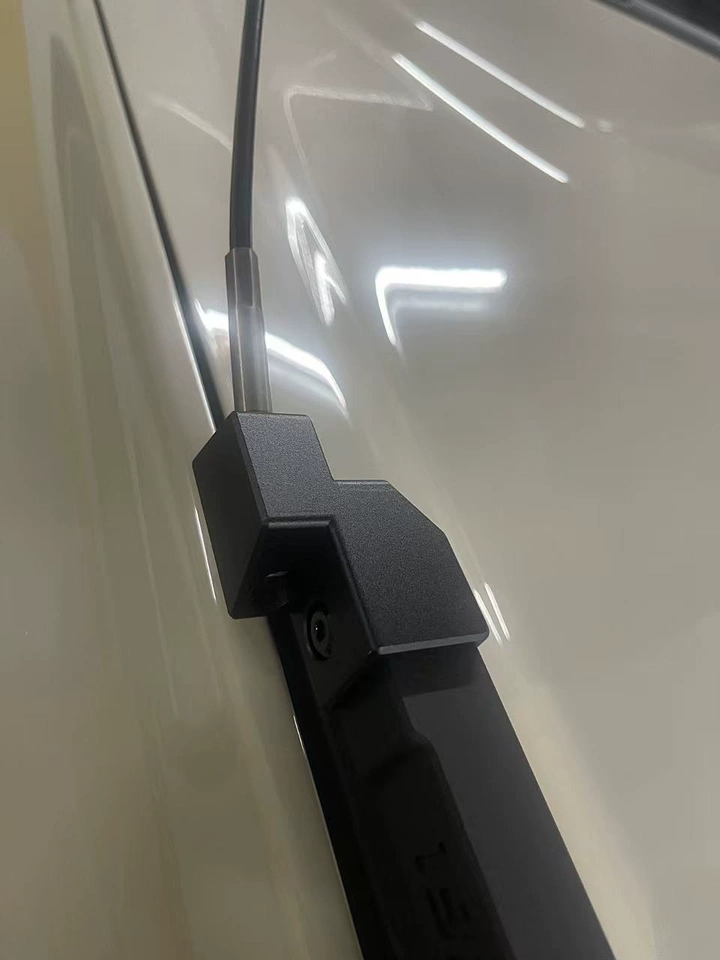
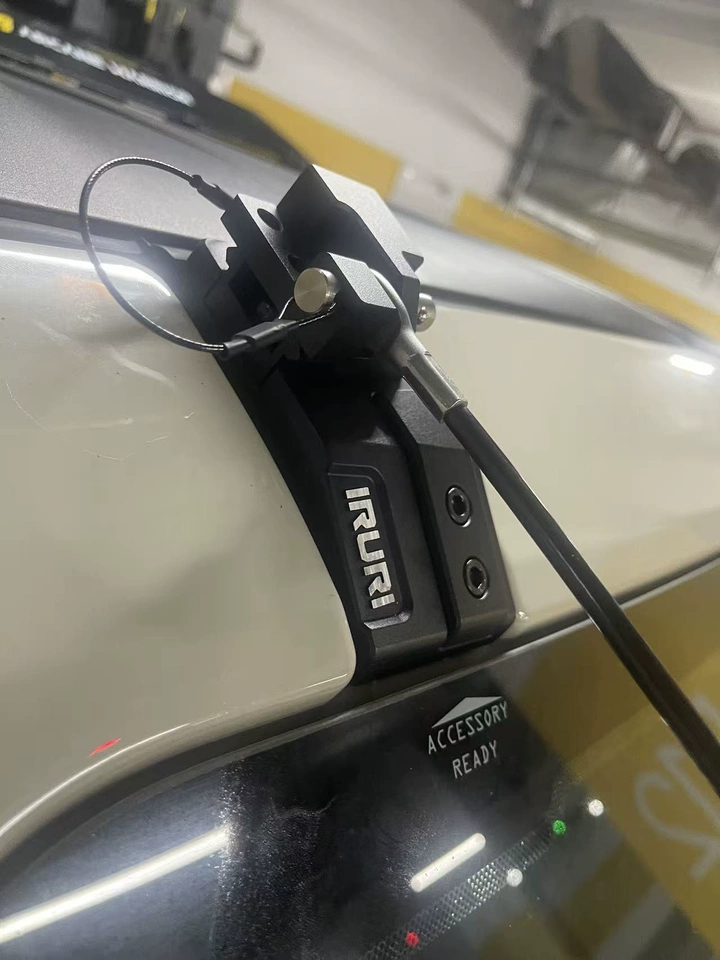
The goal wasn't to build a heavier piece of metal. The objective was to build a wrangler door hinge step that could support adult weight safely without placing stressful leverage on factory components. This design decision directly influenced the construction of the IRURI Side Ladder. Precision CNC machined from high-strength magnesium-aluminum alloy, the 1.8kg unit acts as a seamless extension of the body pillar. The mechanical load path is designed to transfer weight directly through the factory hinge structure rather than pulling outward on the door skin, helping minimize door sag and unnecessary stress on factory components.


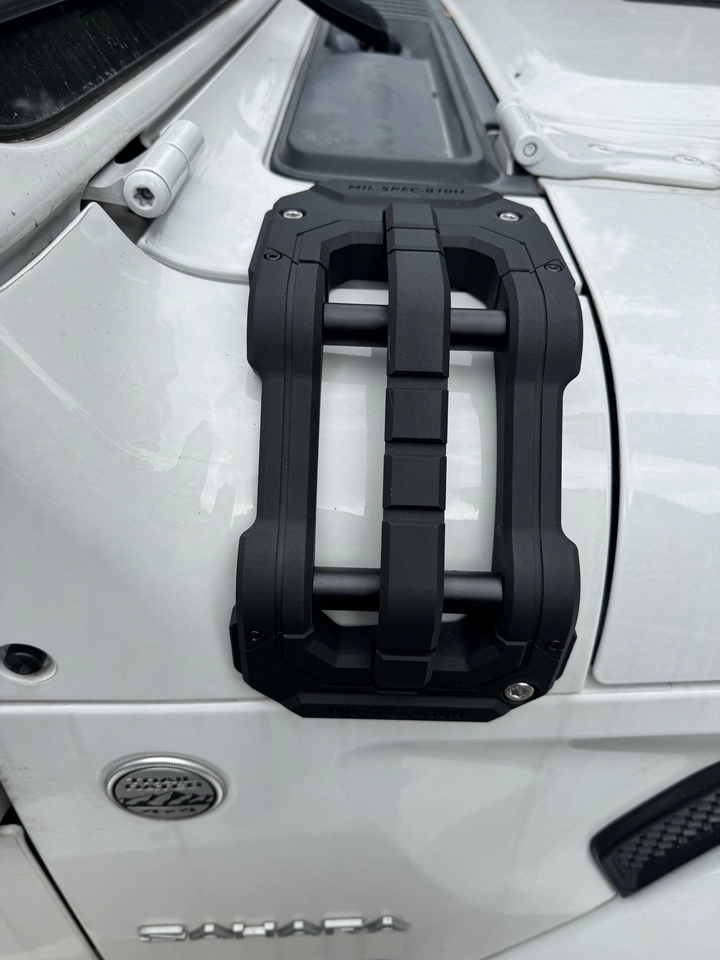
To eliminate the danger of slips in freezing or muddy conditions, the double-layer widened pedal design provides ample surface room for heavy boots. The surface features a distinct anti-slip texture, and every corner is polished smooth to ensure your boots grip firmly without contacting painted surfaces during normal use.
When the task is done, the smooth pull-groove mechanism allows the ladder to fold flat into a rigid, vibration-free lock. It sits securely inside the natural contour of your doors and fenders. No extra clamps, no highway wind noise, and zero trail interference in tight timber passes. It is a system built for the reality that your destination tomorrow will ask for a different configuration than you carry today.
Choosing the Right Jeep Wrangler Door Hinge Step
When selecting a door hinge step for your Jeep Wrangler, three critical engineering factors dictate whether the accessory remains a reliable tool or becomes a liability on the trail: material mass, mechanical footprint, and load distribution geometry. Additionally, a specialized roof access step should install via a 100% bolt-on interface using existing factory holes, preserving the original integrity of your vehicle.
First, prioritize lightweight metallurgy over heavy plate iron options. Excessive weight added to side pillars creates static load strain on your doors, which accelerates hinge pin wear over years of highway vibrations. Selecting a precision-machined magnesium-aluminum alloy component guarantees the structural rigidity needed to support adult overlanders while minimizing dead weight on factory hardware. Furthermore, choosing a double-layer widened platform over narrow metal rings guarantees stable foot placement when balancing bulky cargo with muddy boots.


Second, examine the deployed footprint versus the stored silhouette. Permanent fixed steps alter the vehicle's natural clearance profile, turning your pillars into catching hazards in narrow brush or technical rock passes. A refined fold-out support geometry ensures the platform stows away flat when not in use, completely removing wind turbulence on highway transits and preventing low-hanging branches from grabbing the side of your rig. Finally, verify the mechanical load path. The step structure should channel downward force strictly through the factory heavy-duty hinge housing rather than flexing the surrounding body panels or distorting the outer door skin alignment.


Brand Philosophy
A Jeep Wrangler is never really finished. Every trip leaves its mark. Every year asks for something different. The vehicle changes with the person driving it.
Most manufacturers design for the vehicle people buy. IRURI designs for the vehicle people gradually become. Every exposed edge deserves a purpose.
Good equipment carries today's gear. Good design leaves room for tomorrow's.
Specifications
| Specification | Details |
|---|---|
| Material | Magnesium-Aluminum Alloy |
| Finish | Matte Black Powder Coated / Anodized |
| Weight | 1.8 kg (Single Unit) |
| Structure | Stable Triangular Support with Pull-Groove Mechanism |
| Installation | 100% Bolt-On, No Drilling Required |
| Dimensions | 400 * 95 * 56 mm |
| Fitment | Jeep Wrangler JL / 4xe / Rubicon 392 / Gladiator JT (Side Hinges) |

Evolve Your Roof Access
See how the IRURI Side Ladder integrates with Wrangler JL, 4xe and Gladiator builds. Stop adding temporary clamps. Secure your step.
Explore the Side Ladder →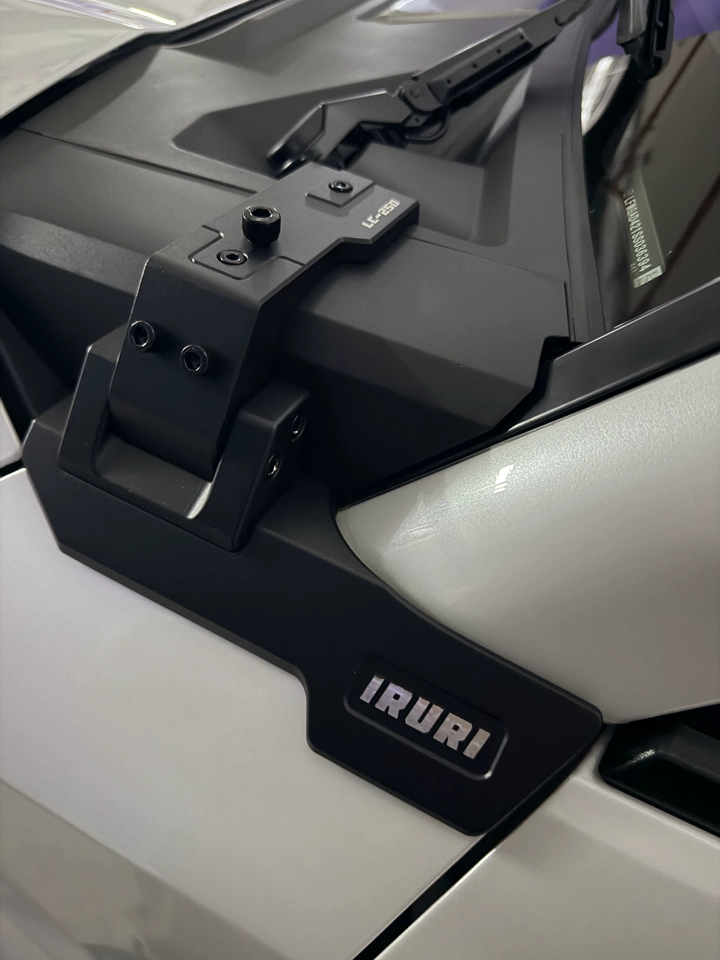
0 comments